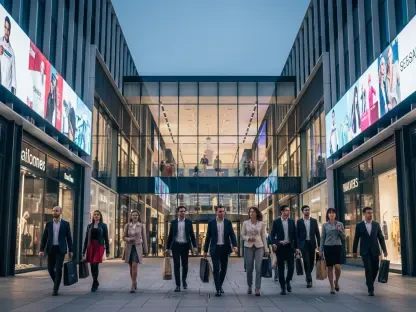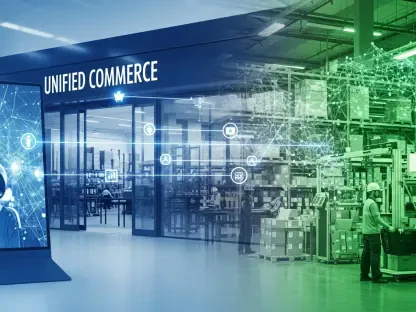

The once-unbreakable wall between digital storefronts and traditional main street retail has crumbled, revealing an unexpected new landscape for modern commerce. For years, direct-to-consumer brands were celebrated as the disruptors, the agile online innovators destined to make brick-and-mortar obsolete. However, a significant reversal is underway. These same digital natives are now planting their flags firmly on physical ground, not as a retreat, but as a calculated and powerful move toward sustainable growth. This strategic pivot is more than just a trend; it is a redefinition of what it means to build a successful brand in the modern era.
From Digital Darlings to Main Street Mainstays
The evolution of direct-to-consumer brands has entered a fascinating new chapter. Initially built on the promise of cutting out the middleman and forging a direct digital relationship with customers, these companies are now embracing the very channels they once sought to circumvent. The migration from browser windows to physical storefronts marks a mature understanding that a purely online existence has its limits. Growth plateaus, rising digital acquisition costs, and the challenge of standing out in a saturated online market have pushed innovators to reconsider the value of a physical presence.
This shift signals a broader recognition that brick-and-mortar retail is not a relic of the past but a critical component of a comprehensive growth strategy. For digital-first brands, physical stores and wholesale partnerships offer a tangible way to enhance brand discovery, deepen customer relationships, and drive new revenue streams. As this trend accelerates, the lines between digital and traditional commerce continue to blur, forging a hybrid model where success depends on mastering both realms. This integration is setting a new standard for how brands are built and scaled.
Decoding the Clicks-to-Bricks Phenomenon
The Unmistakable Power of the Tangible Connection
Despite living in an increasingly digital world, the consumer desire for physical interaction with products remains potent, particularly among younger demographics like Gen Z. Screens can showcase a product, but they cannot replicate the experience of feeling the texture of a fabric, trying on a piece of jewelry, or testing a product firsthand. This tangible connection is a powerful tool for building trust and brand affinity in a way that purely digital interactions cannot match.
Brands like activewear company Beyond Yoga are capitalizing on this by creating immersive, multi-sensory retail environments. These spaces allow customers to not only see and touch products but also to experience the brand’s ethos in a holistic way. This in-person engagement fosters a deeper, more emotional bond than the transactional nature of an online checkout, transforming casual shoppers into loyal followers who feel a genuine connection to the brand.
The Surprising Engine for First-Time Customer Acquisition
One of the most compelling discoveries driving the clicks-to-bricks movement is the role of physical stores in attracting entirely new audiences. It was once widely assumed that a brand’s stores would primarily cater to its existing online customer base, serving as showrooms or convenient pickup points. However, data from pioneering brands has shattered this myth, revealing that storefronts are a formidable engine for first-time customer acquisition.
Fine jewelry brand Mejuri provided a groundbreaking insight into this phenomenon, finding that an astonishing 60% of its in-store shoppers were new to the brand. This revelation reframes the physical store not just as a sales channel but as a high-impact marketing tool. In a digital landscape cluttered with ads, a well-placed, thoughtfully designed storefront acts as a powerful billboard, capturing the attention of potential customers who may have never encountered the brand online.
Cultivating Deeper Roots How In-Store Experiences Build Lifetime Value
The value of an in-person interaction extends far beyond the initial sale; it is a critical investment in long-term customer loyalty. Evidence suggests that customers who engage with a brand in a physical setting develop a stronger, more lasting connection, leading to significantly higher lifetime value compared to their online-only counterparts. This increased loyalty stems from the memorable, personalized experiences that physical retail can offer.
Insights from Mejuri’s leadership emphasize how intentional store design can transform a simple purchase into a meaningful brand interaction. By creating an open-display concept where customers are encouraged to try on pieces freely, the brand removes barriers and fosters a sense of discovery and personal connection. This approach, centered on experience rather than pure transaction, helps build a community around the brand, turning satisfied customers into vocal advocates who champion the brand within their own networks.
Choosing the Right Path Owned Boutiques vs Wholesale Partnerships
As DTC brands venture into the physical world, two dominant strategies have emerged: opening owned retail stores and forming wholesale partnerships. The first approach, exemplified by Mejuri’s expansion to 55 of its own locations, offers maximum control over the brand experience. Owned boutiques allow a brand to meticulously craft every detail, from the store layout and ambiance to the customer service, ensuring a consistent and immersive expression of its identity.
In contrast, the wholesale model provides a path to rapid market penetration and scale. By partnering with established retailers, brands can instantly gain access to a broad, pre-existing customer base without the significant capital investment required to build out their own stores. The success of diaper brand Coterie at Whole Foods illustrates this potential perfectly; it quickly captured 86% of its category’s sales and drove all of its growth, proving that a strategic wholesale partnership can be a powerful lever for market dominance.
Your Playbook for Integrating Physical and Digital Retail
The central lesson from the current retail landscape is clear: a hybrid model that blends digital and physical channels is no longer a forward-thinking option but an essential foundation for sustainable growth. The most resilient and successful DTC brands are those that treat their online and offline presences not as separate entities, but as two parts of a single, cohesive customer journey. Integrating these channels allows brands to meet customers wherever they are, offering a flexible and enriched shopping experience.
For brands considering a move into physical retail, the first step is to define a clear objective. Is the primary goal to acquire new customers at scale, or is it to create a deeply immersive brand experience that fosters long-term loyalty? Answering this question provides the strategic framework needed to choose the right path. A goal centered on acquisition might favor a wholesale strategy for its broad reach, while a focus on brand building would point toward opening owned boutiques where the experience can be carefully controlled and curated.
The Future is Phygital Why the DTC Revolution Needs a Storefront
The most durable brands of tomorrow will be those that have successfully erased the line between their online presence and their physical footprint. The era of categorizing companies as either “DTC” or “traditional retail” is over. A new, integrated standard has emerged, where a seamless and complementary experience across all channels is the baseline for success. The digital and physical must work in concert, each strengthening the other to create a brand that is accessible, tangible, and deeply connected to its community.
Ultimately, the evolution of modern commerce has moved beyond a simple clicks-versus-bricks debate. The challenge for brands is no longer about choosing one channel over the other but about mastering the art of blending them. The future is “phygital,” a landscape where the customer journey flows effortlessly between a brand’s app, its website, and its store. The brands that perfect this intricate dance will not only survive but will define the next generation of retail.