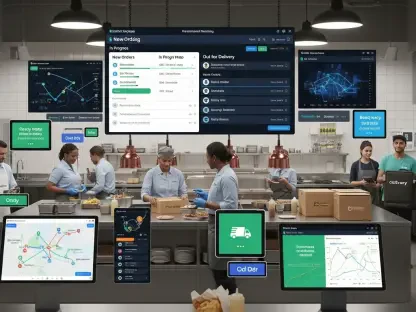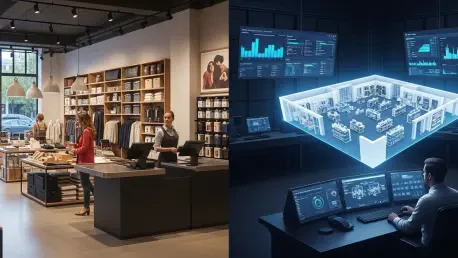

Every single interaction a consumer has with a local business now begins with a digital inquiry that filters through sophisticated artificial intelligence models, effectively creating a shadow version of the physical operation that must be meticulously managed to ensure survival in a hyper-competitive marketplace. This digital twin is not merely a static representation but a living entity that dictates the first impression potential customers receive. As the boundary between the web and the physical aisle continues to blur, the necessity of aligning these two dimensions has transformed from a strategic advantage into a fundamental requirement for operational viability.
The Convergence of Physical Retail and Digital Twins
The modern retail landscape has undergone a radical transformation, moving away from the era where a storefront was defined solely by its window displays and physical signage. Today, a dual-presence model exists where the digital twin of a business often reaches the consumer long before they set foot on the property. This digital representation is the primary source of truth for the modern shopper, providing essential data points such as real-time inventory, service capabilities, and peer-validated reliability. For independent retailers, this shift means that the visual appeal of the physical shop must be matched by the technical health and accuracy of the online profile.
Artificial intelligence now plays a definitive role in this ecosystem through the use of AI overviews and complex search algorithms. These systems synthesize massive amounts of online data to determine the trustworthiness of a business. When a user conducts a query, AI models analyze reviews, directory listings, and website content to curate a summary that either validates or ignores a retailer. Therefore, the digital footprint is no longer a passive collection of information but an active participant in the consumer’s decision-making process, requiring constant refinement to satisfy both human users and machine learning filters.
Specific industry segments, particularly hardware, paint, and home improvement, are at the forefront of this transition toward omnichannel engagement. These sectors rely heavily on expert advice and specialized inventory, making the digital transmission of that expertise critical. Independent retailers in these niches are increasingly utilizing their digital agility to compete with massive big-box chains. By focusing on localized relevance and authoritative content, smaller operations can demonstrate a level of community connection and specific knowledge that standardized corporate platforms often fail to replicate, thereby securing a unique position in the regional market.
Navigating the Digital-Physical Shift and Growth Forecasts
Market Drivers and Evolving Consumer Discovery
The rise of AI-curated search has fundamentally changed how local services are discovered. Instead of a simple list of links, consumers now receive summarized answers that highlight specific businesses based on their perceived authority and relevance. This shift necessitates a move away from keyword stuffing toward the creation of comprehensive, helpful resources that AI can easily identify as expert-led. A business that provides clear, structured information about its unique services is far more likely to be featured in these high-visibility summaries than one with a generic landing page.
Mobile-first localization has further accelerated the reliance on real-time data, as the majority of searches now occur on the go with high intent for immediate purchase. The “near me” search phenomenon is no longer just about proximity; it is about the visibility of specific inventory and the convenience of the shopping experience. Consumers expect to see exactly what is in stock at their local hardware or paint store before they start their commute. This demand for real-time synchronization requires a seamless link between point-of-sale systems and digital storefronts to prevent the frustration of inaccurate stock reports.
Consumer behavior has shifted decisively from the traditional reliance on physical directories to a model where the Google Business Profile serves as the primary point of contact. This profile acts as a digital lobby where customers check hours, read recent reviews, and view photos of the facility. For local retailers, this presents a hyper-local opportunity to leverage community ties. By referencing local landmarks and regional projects within their digital content, businesses can send strong signals to search engines that they are the most relevant choice for a specific geographic area.
Statistical Performance and Future Growth Projections
Analyzing digital engagement metrics reveals a direct correlation between optimized online profiles and physical foot traffic. Data suggests that businesses with complete and frequently updated digital twins experience significantly higher conversion rates from search to store visit. This link is especially strong when a retailer actively manages their reputation through review responses and high-quality visual updates. These performance indicators act as a roadmap, allowing owners to see exactly which digital improvements result in more customers walking through the front door.
Projections for the home improvement industry suggest that digital integration will only deepen from 2026 through the next five years. The market is moving toward a standard where a retailer’s digital capability is as important as their physical location. Omnichannel retail is expected to account for a much larger share of total revenue as consumers become more accustomed to researching online and purchasing in-person, or vice versa. This trend underscores the importance of maintaining a cohesive brand voice across every touchpoint to ensure that the customer experience remains consistent throughout the journey.
To stay competitive, operations are increasingly utilizing advanced tools such as website audits and search engine optimization tracking. These metrics allow for a granular understanding of how well the digital storefront is performing relative to competitors. By monitoring these key performance indicators, retailers can identify gaps in their online presence before they lead to a decline in sales. This proactive approach to digital management ensures that the business remains visible and attractive to the next generation of digitally native homeowners and contractors.
Overcoming Obstacles in Digital Synchronization
Maintaining uniform data across diverse directories like Yelp, HomeAdvisor, and social media platforms remains a significant challenge for many independent operations. Data fragmentation, where different sites list conflicting phone numbers or addresses, creates immediate distrust in both consumers and search algorithms. This inconsistency can lead to a drop in search rankings and customer confusion. Rectifying these errors requires a centralized approach to information management, ensuring that any change in hours or location is updated universally and instantaneously.
The saturation of generic online content makes it difficult for unique businesses to stand out. Many retailers rely on templated descriptions and stock photos, which fail to communicate the authentic expertise of their staff. Overcoming this barrier involves the creation of original, expert-led resources such as localized project guides or video demonstrations featuring actual store employees. Providing genuine value through content not only improves search visibility but also builds a rapport with the audience that automated or generic content cannot achieve.
Technical barriers often hinder small businesses from achieving full digital synchronization. Navigating the complexities of search engine optimization and platform-specific guidelines can be daunting for traditional owners focused on daily operations. However, the emergence of user-friendly digital tools has begun to bridge this gap, allowing retailers to manage their presence without needing deep technical expertise. The focus must remain on the integrity of the information provided, as trust erosion from outdated or incorrect data is far more damaging than a lack of high-end website features.
The Regulatory and Standards Landscape of Digital Presence
Navigating the landscape of data privacy and consumer protection has become a critical task for modern retailers. Regulations surrounding how customer data is collected, stored, and used in digital marketing are increasingly stringent. Businesses must ensure that their digital tools are compliant with transparency standards to avoid legal repercussions and to maintain consumer trust. This includes clear communication regarding how newsletters, loyalty programs, and online tracking technologies operate within the digital storefront.
Platform-specific guidelines, particularly Google’s standards for experience, expertise, authoritativeness, and trustworthiness, dictate the visibility of a business. Adhering to these principles is essential for maintaining a strong digital presence. This means that a retailer’s online content must clearly reflect the actual qualifications and successes of the physical operation. Providing evidence of community involvement, professional certifications, and genuine customer feedback are all necessary components of a strategy that aligns with these rigorous search standards.
Compliance in digital advertising further complicates the operational landscape. Whether managing pay-per-click campaigns or social media interactions, retailers must understand the legalities of online claims and review management. Protecting the integrity of the digital twin also involves implementing robust security measures. As more customer interactions migrate online, small retailers must guard against data breaches and digital vandalism that could tarnish their reputation. Ensuring a secure and transparent digital environment is a prerequisite for long-term growth.
Future Horizons: The Evolution of Hyper-Local Retail
The evolution of hyper-local retail is moving toward even higher levels of AI-driven personalization. In the near future, artificial intelligence will offer tailored recommendations to consumers based on the specific inventory and localized expertise of nearby stores. This will allow independent retailers to appear in search results precisely when a customer needs a specific tool or type of paint that only they have in stock. This level of granular discovery will favor businesses that maintain meticulous digital records of their physical offerings.
Augmented reality integration is set to become a standard tool for bridging the gap between the web and the retail aisle. Virtual store tours and digital product overlays will allow customers to visualize how a product looks or fits before they leave their homes. For the home improvement sector, this could mean showing a customer how a specific paint color looks on a wall or how a piece of hardware functions in a simulated environment. These immersive experiences will strengthen the connection between the digital twin and the physical product.
Strategic expansion will also be signaled through digital newsrooms and professional networks like LinkedIn. For businesses looking to attract top-tier talent or facilitate acquisitions, a strong professional digital presence is vital. It communicates stability and growth to potential partners and employees. Furthermore, staying current with these digital trends acts as a sustainable innovation strategy. By embracing the next wave of technological shifts, independent retailers can safeguard their operations against market disruptors and ensure they remain a cornerstone of their local communities.
Building an Integrated Blueprint for Operational Success
The necessity of aligning a digital storefront with a physical operation became a primary focus for retailers seeking to establish long-term authority. Strategists emphasized that the digital twin acted as a mandatory gateway, where optimized Google Business Profiles and localized content served as the foundation for trust. This alignment allowed independent businesses to leverage their unique community signals to outperform larger, less personalized competitors. By prioritizing consistent brand signaling and the accuracy of online data, operations secured their relevance in an increasingly automated search environment.
Actionable recommendations for the path forward included the immediate audit of all digital touchpoints to ensure that the name, address, and phone data remained uniform across the web. Retailers were encouraged to invest in original content that highlighted their specific expertise, moving away from generic templates toward helpful, expert-led resources. The transition toward a more integrated model proved that digital presence was not a separate entity but a core component of the physical customer experience. This blueprint provided a clear trajectory for retailers to maintain their competitive edge.
The path toward operational success was defined by the ability to adapt to a landscape where AI and human preferences converged. Independent retailers who viewed their digital presence as a secret weapon found that they could dominate local markets through authenticity and technical precision. As the industry evolved, the successful synchronization of the digital and physical realms ensured that the storefront remained a trusted destination. This holistic approach to management ultimately empowered local businesses to thrive by meeting customers exactly where they began their journey.