
The traditional image of a fuel station register as a simple cash-collecting box has been completely dismantled by the emergence of distributed, high-intelligence commerce networks. As travel centers evolve into complex hubs for logistics, dining, and energy distribution, the demand for a point-of-sale system that acts as a central nervous system rather than a static terminal has become undeniable. This shift represents a move away from the rigid hardware-centric models of the past toward fluid, software-defined environments that prioritize uptime and data flow over sheer physical durability.
The Evolution of Modern Point-of-Sale Systems
Modern point-of-sale technology has transitioned from isolated hardware units to cloud-integrated ecosystems that function as agile, data-driven commerce platforms. In the past, a hardware failure or a software update could paralyze a storefront for hours, but the current generation of AI-enabled systems utilizes cloud-native frameworks to ensure that updates are seamless and constant. This evolution is driven by the need for speed; businesses can no longer afford to wait months for a vendor to patch a security flaw or add a new payment method when consumer habits change in weeks.
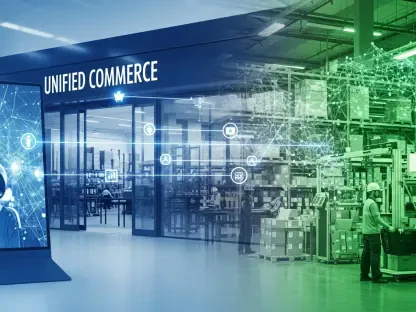
The relevance of this shift lies in the total reimagining of the retail landscape, where the “register” is merely one touchpoint in a broader digital journey. By replacing legacy hardware with standardized digital foundations, operators can unify their retail and commercial fuel operations under a single pane of glass. This allows for a level of technical agility that was previously impossible, transforming the POS from a backend necessity into a strategic asset that captures and reacts to real-time market data.
Core Architectural Components and Functional Capabilities
AI-Driven Microservices Architecture
At the heart of this technological leap is the microservices architecture, a design philosophy that breaks down monolithic software into small, independent functional units. This decoupling means that a problem in the loyalty program module does not necessarily crash the payment processing system, allowing for unprecedented system agility. By isolating these functions, developers can deploy updates or new features to specific parts of the POS network without needing to overhaul the entire codebase, significantly increasing the speed of innovation.
Edge Computing and Offline Resilience
One of the most critical advancements in this infrastructure is the implementation of edge computing to ensure operational resilience. While cloud connectivity provides the brainpower for the system, local edge processing allows for critical functions like credit card authorizations and loyalty scanning to continue even if the internet connection is severed. This local autonomy prevents the catastrophic “offline” scenarios that plague older systems, ensuring that high-volume locations remain profitable regardless of regional network stability or cloud latency issues.
Integrated Omni-channel Foodservice Modules
The integration of complex foodservice operations directly into the primary register system represents a major leap in operational efficiency. By embedding mobile ordering and “order ahead” features into the core POS architecture, the system eliminates the need for disparate third-party tablets or manual entry by staff. This streamlined flow is essential for high-volume environments where guest throughput is the primary metric of success, allowing for a unified kitchen display system that reacts instantly to both in-person and digital orders.
Current Trends in Retail and Fuel Commerce Technology
The industry is currently witnessing a massive movement toward unified commerce platforms that can handle the sheer scale of 1.2 million daily interactions with zero friction. Consumers no longer distinguish between “online” and “in-store” experiences; they expect their digital profiles, rewards, and payment preferences to follow them across every physical and virtual touchpoint. This expectation has forced a shift toward high-resiliency environments where the technology must be invisible yet omnipresent, supporting a seamless guest journey across vast geographic footprints.
Real-World Applications and Industrial Implementation
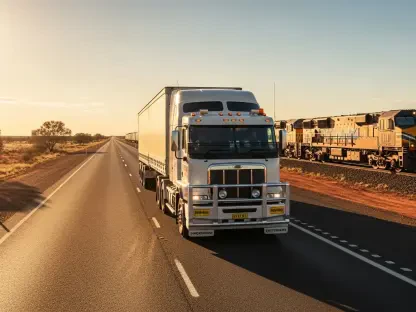
The practical application of these technologies is best observed in the massive network of Pilot Co., which spans over 750 locations across North America. Managing the distribution of 14 billion gallons of fuel annually requires a digital foundation that is both incredibly robust and highly flexible. By deploying the Voyix Commerce Platform, Pilot has established a standardized environment that allows a location in a remote Canadian province to operate with the same technical precision and feature set as a flagship site in a major U.S. metropolitan area.
Strategic Challenges and Technical Limitations
Transitioning to a modern architecture is not without its hurdles, particularly when migrating away from deeply embedded legacy systems. The complexity of maintaining 24/7 operations while swapping out core software across thousands of miles is a logistical and technical marathon. Furthermore, while AI offers predictive capabilities, the reliance on high-quality data means that any inconsistencies in the legacy data migration can lead to localized errors or reporting gaps that take months to rectify.
Future Projections for AI-Enabled Commerce
Looking ahead, the integration of advanced predictive analytics will likely move toward fully automated inventory management and labor optimization. Future iterations of this infrastructure will probably utilize AI to forecast demand spikes based on traffic patterns and local events, adjusting staff schedules and supply orders before a human manager even notices the trend. This proactive approach will redefine labor efficiency, allowing staff to focus on guest interaction rather than administrative troubleshooting.
Summary of the Technological Assessment
The transition to a microservices-based, AI-enabled POS infrastructure marked a definitive end to the era of static, vulnerable retail hardware. This shift provided the necessary tools for operators to manage immense scale while maintaining the flexibility to pivot as consumer demands evolved. The implementation of edge resilience and unified commerce modules demonstrated that modern retail technology must prioritize both backend stability and front-end simplicity to remain competitive. Ultimately, the adoption of these agile platforms set a new industry standard, proving that a robust digital foundation is the most critical component for any large-scale fuel or travel operation aiming for long-term growth.