
The rapid evolution of the digital marketplace has forced a complete overhaul of how retailers perceive the final mile of the supply chain, moving delivery from a back-office expense to a front-line competitive advantage. As legacy shipping giants struggle with capacity constraints and rising surcharges, a new generation of logistics providers is stepping into the void to offer more specialized, tech-driven solutions. Veho is leading this charge with a massive operational expansion into the Western United States, a move that fundamentally changes its market presence by increasing its territory count to sixty-six nationwide. This strategic growth represents a fifty percent year-over-year increase, effectively bringing the company’s specialized delivery services to approximately one hundred and forty-four million Americans. By covering forty-four percent of the national population, the platform is no longer just a regional player in the East and Midwest but a legitimate national contender capable of challenging the established norms of the parcel industry.
Scaling Operations: The Infrastructure of the West
Strategic Hubs and Metropolitan Penetration
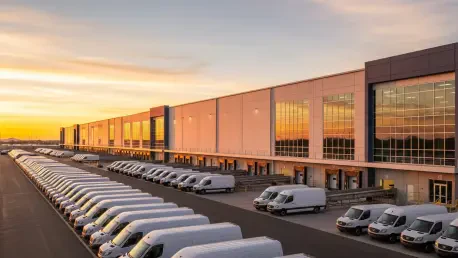
The centerpiece of this expansion is the aggressive rollout of service areas in some of the most influential economic centers of the West, including Phoenix, Las Vegas, and San Diego. This is coupled with a comprehensive deployment across the entire Los Angeles metropolitan area, which serves as a critical gateway for global trade and domestic e-commerce. To anchor this massive geographic footprint, two large-scale regional hubs have been established in Phoenix and Ontario, California, totaling more than one hundred and fifty thousand square feet of operational space. These facilities are not merely warehouses but high-velocity sorting centers positioned near critical infrastructure like the Ports of Los Angeles and Long Beach. This logistical placement allows e-commerce brands to move inventory with unprecedented speed, facilitating regional next-day deliveries that were previously difficult to achieve without relying on expensive, asset-heavy legacy carriers that lack the flexibility of modern tech-integrated platforms.
Building upon this physical foundation, the integration of these Western hubs into a national logistics network allows for a more fluid movement of goods across the country. Brands can now achieve coast-to-coast shipping in as little as two to four days, depending on the chosen transit method, without sacrificing the granular visibility that modern consumers demand. This network density is further supported by the coordination of over three thousand trucks per month, ensuring that the flow of parcels remains consistent even during peak periods. The expansion also brings significant economic benefits to the local communities involved, creating over one thousand new opportunities for independent contractor drivers and specialized operations personnel. By focusing on high-density metropolitan areas and pairing them with massive regional hubs, the system creates a flywheel effect where increased volume leads to better route density, which in turn lowers the overall cost for the retail brands participating in the network.
Performance Metrics and Market Momentum
The transition toward specialized delivery networks is being driven by a measurable shift in business performance, evidenced by a tripling of client launches and a doubling of parcel volume over the current fiscal cycle. This momentum suggests that retailers are increasingly looking for alternatives to traditional “one size fits all” shipping models that often prioritize the carrier’s efficiency over the end-customer’s experience. By providing a platform that scales with the brand, the service allows companies to maintain a consistent brand voice all the way to the customer’s doorstep. This is particularly vital as traditional carriers continue to reduce their capacity or implement restrictive pricing during high-demand windows. The ability to handle increased volume while maintaining a high standard of service has positioned the network as a reliable partner for brands that cannot afford the reputational damage caused by late deliveries or poor communication during the final stages of the shipment journey.
Furthermore, the economic viability of this model is grounded in its ability to offer significant savings in fully-landed costs, often reaching up to thirty-five percent for participating brands. These savings are not achieved by cutting corners but by utilizing a technology-first approach that optimizes routing and reduces the overhead typically associated with older, more rigid logistics infrastructures. As the network expands its reach to cover nearly half of the United States population, it provides a scalable path for mid-market and enterprise retailers to compete with the logistical might of the world’s largest e-commerce marketplaces. The success of this expansion serves as a proof of concept for the idea that a decentralized, tech-enabled fleet can provide the same level of reliability as traditional carriers while offering the flexibility and cost-efficiency that the modern retail environment demands for long-term survival and profitability in a crowded market.
The Evolution of the Consumer Experience
Delivery as a Value Driver: Beyond the Cost Center
One of the most significant shifts identified in the current logistics landscape is the move away from viewing delivery as a necessary evil or a cost center that must be minimized at all costs. Instead, forward-thinking brands are recognizing that the delivery experience is a vital tool for driving customer conversion and fostering long-term brand loyalty. When a consumer receives their package on time and through a transparent, high-touch process, their likelihood of returning to that brand increases dramatically. The data supports this perspective, with the network maintaining an impressive customer satisfaction rating of 4.9 out of 5 across millions of deliveries. This high level of satisfaction is a direct result of a system designed to prioritize the recipient’s needs, offering features like real-time tracking and clear communication that legacy carriers have historically struggled to implement at scale due to their reliance on antiquated technological stacks and rigid operational procedures.
This focus on the end-consumer is not just about a pleasant experience; it is a strategic business move that helps brands compete more effectively at the digital checkout. In an environment where shipping speed and reliability are often the deciding factors for a purchase, having a logistics partner that guarantees a high-quality experience provides a tangible edge. The introduction of innovative pricing models, such as FlexSave™, further empowers brands to manage their shipping spend more effectively while still providing top-tier service to their customers. By aligning the interests of the carrier, the brand, and the consumer, the platform has created a virtuous cycle where satisfied customers lead to higher retention rates for the brands, which in turn drives more volume through the delivery network. This paradigm shift marks the end of the era where delivery was an invisible part of the transaction, moving it instead to the very heart of the brand’s value proposition.
Future Considerations: Building a Sustainable National Infrastructure
Looking ahead, the successful deployment of these Western operations provided a blueprint for how modern logistics companies could scale without becoming burdened by the same inefficiencies that plagued the industry for decades. The focus shifted toward creating actionable strategies for retailers to integrate these specialized networks into their broader omnichannel fulfillment plans. By analyzing the data gathered from the Phoenix and Ontario hubs, brands gained the ability to better predict regional demand and adjust their inventory placement accordingly. This proactive approach allowed for a reduction in total transit miles, which not only lowered costs but also contributed to a more sustainable and environmentally conscious supply chain. The industry moved toward a model where data-sharing between the retailer and the delivery provider became the standard, ensuring that every link in the chain was optimized for both speed and precision in a way that was previously impossible.
To maintain this trajectory, stakeholders began prioritizing the development of even more granular delivery options, such as customizable delivery windows and enhanced returns management. These features were designed to address the remaining friction points in the e-commerce journey, further closing the gap between the convenience of online shopping and the immediacy of physical retail. The integration of advanced analytics into the daily workflow enabled the network to adapt to real-time changes in traffic patterns or weather conditions, ensuring that the 4.9 satisfaction rating remained a consistent reality rather than a temporary achievement. Ultimately, the expansion into the West served as a catalyst for a broader industry transformation, proving that the future of logistics belonged to those who could combine national scale with a relentless focus on the individual customer experience. Brands that adopted these specialized networks early found themselves better positioned to navigate the complexities of the modern market.