
The Digital Trust Deficit: A Crisis in Modern E-Commerce
In the sprawling digital aisles of modern e-commerce, a fundamental element is often missing: trust. Consumers and sellers navigate a landscape rife with uncertainty, where the threat of counterfeit goods looms large and transactional integrity is never guaranteed. This is not a minor issue; the global counterfeit market has ballooned into a $1.7 trillion problem, eroding consumer confidence and damaging brand reputations across platforms like eBay, Etsy, and Facebook Marketplace. The very convenience that makes online shopping so appealing has also created vulnerabilities that centralized systems struggle to contain. This article explores whether blockchain technology can offer a definitive solution, examining how new platforms are leveraging its decentralized, immutable nature to forge a new standard of verifiable authenticity and redefine the very meaning of trust in the digital marketplace.
From Digital Handshakes to Widespread Distrust: The Evolution of Online Marketplaces
The journey of e-commerce began with a simple premise: connecting buyers and sellers across geographical boundaries. Early platforms were built on a foundation of community-based trust, but as they scaled into global behemoths, this fragile trust began to fracture. The anonymity of the internet, combined with the sheer volume of transactions, created fertile ground for fraud, fake products, and dishonest dealings. In response, platforms introduced seller ratings, buyer protection programs, and other centralized trust mechanisms. While helpful, these systems are fallible, subject to manipulation, and often place the platform itself as an expensive and sometimes biased intermediary. This history of escalating distrust has created a clear and urgent need for a new paradigm—one that doesn’t just patch the old system but rebuilds its foundation on principles of transparency and immutability.
Blockchain as the Bedrock: Re-engineering E-Commerce for Verifiable Trust
The Power of Provenance: Creating Digital Fingerprints for Physical Goods
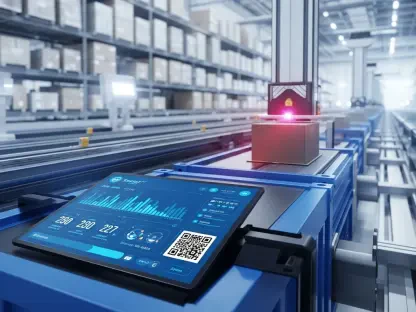
The most profound way blockchain challenges the status quo is by creating an unalterable record of a product’s identity and history. Platforms like ViaHonest are pioneering this by assigning each physical item a unique digital identity stored on a blockchain. This “digital certificate of authenticity” is permanently linked to the product through a tamper-proof identifier, such as a secure QR code. The result is a system where anyone can instantly verify an item’s legitimacy and trace its entire lifecycle, from creator to current owner. This concept of digital provenance directly combats counterfeiting by making it nearly impossible to pass off a fake as genuine. For high-value goods, collectibles, and art, this provides an unprecedented level of security and transparency, ensuring a clear and unchangeable history of ownership that is crucial for secure resale.
Beyond Authenticity: Securing the Entire Transaction Lifecycle
While verifying a product’s authenticity is a critical first step, true trust requires securing the entire transaction. Blockchain facilitates this through smart contracts, which can automate processes like escrow payments. On a platform like ViaHonest, a buyer’s funds are held securely in escrow and released to the seller only after the buyer confirms receipt of the authentic item. This removes the risk of payment fraud for both parties. Furthermore, this new model enables a more efficient and transparent fee structure. By cutting out many of the overheads associated with traditional payment processing and dispute resolution, ViaHonest can operate with a low 2.5% commission. This not only benefits sellers financially but also fosters a fairer ecosystem, attracting legitimate creators and brands while deterring fraudulent actors who thrive in high-fee, low-transparency environments.
Lowering the Barrier: Making Blockchain Practical for Everyday Users
One of the greatest hurdles to the widespread adoption of blockchain technology has been its complexity and the perceived difficulty of using cryptocurrencies. A common misconception is that blockchain is only for digital assets or tech-savvy investors. To overcome this, forward-thinking platforms are integrating user-friendly tools that bridge the gap between the traditional web and the decentralized future. Features like an integrated onramp for users to easily purchase cryptocurrency or the automatic generation of U.S. shipping labels make the experience seamless. By abstracting away the technical complexities, these platforms allow users to focus on the tangible benefits—guaranteed originality and secure transactions—without needing to become blockchain experts. This practical approach is essential for moving the technology from a niche interest to a mainstream tool for global commerce.
The Road Ahead: The Mainstreaming of Real-World Asset Tokenization
The application of blockchain to physical goods represents a significant emerging trend known as Real-World Asset (RWA) tokenization. ViaHonest’s marketplace is an early indicator of a much larger shift where physical items—from luxury watches to designer handbags and fine art—will have a corresponding digital identity on a blockchain. As this model proves its value, it will inevitably pressure e-commerce giants to adopt similar standards of verification to remain competitive. In the near future, we can expect to see a market where a “digital passport” for products becomes the norm. This will not only enhance security in B2C and C2C marketplaces but also revolutionize supply chain management, insurance, and brand loyalty programs by providing a single, verifiable source of truth for every product in circulation.
Navigating the New Trust Economy: A Blueprint for Action
The shift toward blockchain-verified commerce presents both opportunities and imperatives. For businesses, especially creators, brands, and resellers, the primary takeaway is the power of tokenization as a tool for brand protection and value creation. By creating a digital certificate of authenticity for their products, they can offer customers irrefutable proof of originality, combat counterfeiting, and enable a secure and lucrative secondary market. Consumers, in turn, should begin to demand a higher standard of verification for their online purchases, especially for high-value items. By actively choosing platforms that offer cryptographic proof of authenticity, buyers can protect their investments and drive the industry toward greater transparency. The core strategy for all participants is to embrace this technology not as a novelty, but as the new gold standard for transactional integrity.
The Verdict: A Foundational Shift, Not a Fleeting Trend
The deep-seated issues of counterfeits and transactional distrust in e-commerce are not surface-level problems; they are foundational cracks in the architecture of online trade. Blockchain technology offers more than just a patch; it provides a new foundation built on cryptographic proof and decentralization. As platforms operationalize this technology to create verifiable, transparent, and secure marketplaces, they are not just solving a problem—they are building the future of commerce. As ViaHonest founder Roman Shkapov envisions, this is about creating a world “where all physical goods are verifiable and safe.” The question is no longer if blockchain will redefine trust in e-commerce, but how quickly businesses and consumers will adapt to this new, more honest paradigm.