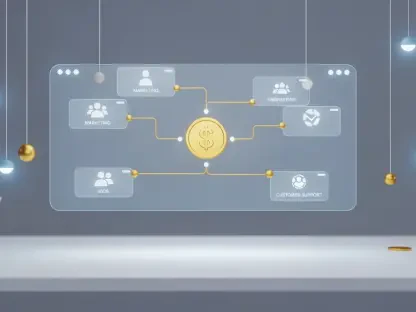

The paradox at the heart of modern digital commerce is that organizations invest vast resources to guide a consumer through a complex and expensive journey, only to treat the final, decisive moment of purchase as a mere mechanical function. For years, the digital checkout has been viewed as a utility—a simple form to be completed as quickly as possible. However, a fundamental shift in strategy is underway, repositioning this transactional endpoint as the single most potent and underutilized asset in the entire customer relationship. This evolution is not just about optimizing a webpage; it is about reimagining the very nature of engagement at the point of highest intent.
The Final Click or the First Step? Rethinking the End of the Shopping Cart
Historically, brands have poured billions of dollars into acquisition funnels designed to attract and convert customers, viewing the “Pay Now” button as the finish line. In this model, the checkout is a potential point of failure to be minimized, streamlined for speed above all else. Its purpose was singular: to process a payment with as little friction as possible, concluding the interaction and marking a successful conversion in an analytics dashboard.
This perspective is rapidly becoming obsolete. The central question progressive brands are now asking is a transformative one: what if this transactional moment is not an end, but a beginning? By reframing the checkout, it evolves from a simple payment gateway into a strategic platform for communication, brand building, and the deepening of customer loyalty. It is the moment when a consumer’s attention is most focused and their trust is explicitly given, creating an unparalleled opportunity for meaningful connection.
The Breaking Point of “More Is More” Marketing
The digital landscape has long been dominated by a philosophy of saturation. Commerce media strategies were built on the principle of high-volume advertising, aiming to capture attention by appearing everywhere, all the time. This relentless pursuit of scale, however, has reached a critical inflection point, leading to a crowded and noisy environment that yields diminishing returns while actively frustrating consumers.
The result of this saturation is a pervasive sense of digital fatigue. Customers have become adept at tuning out generic promotions and irrelevant offers, rendering many high-volume tactics ineffective. The rising cost of customer acquisition, coupled with declining engagement, signals that the “more is more” approach is no longer sustainable. This breaking point has created a strategic vacuum, paving the way for a more intelligent and respectful model of commerce centered on relevance rather than reach.
The Five Trends Redefining the Point of Purchase
A series of interconnected trends is now elevating the point of purchase from a transactional form to prime digital real estate. The most successful brands are leveraging this moment to solidify trust with relevant, high-quality content instead of generic promotions, recognizing that this is where purchase intent is confirmed and thus most valuable. This strategy moves beyond chasing empty impressions and instead harnesses the power of actionable signals. By utilizing AI-driven insights from first-party data and real-time purchase intent, brands can create fewer, yet far more impactful, touchpoints.
This strategic pivot necessitates a significant internal transformation, compelling the collapse of traditional silos between commerce, media, and loyalty departments. Integrated teams are forming to manage the customer journey holistically, with the checkout experience placed at the very core of their growth strategy. In tandem, the concept of loyalty is evolving from a post-purchase afterthought into an “in-purchase” engagement. Instead of point systems, brands are offering personalized perks and value-added services directly at the peak of customer commitment, making the reward immediate and contextually relevant.
Perhaps the most counterintuitive trend is the emergence of “white space” as a competitive advantage. In an environment saturated with noise, the most confident brands are embracing intentional restraint. By removing unnecessary clutter and focusing the customer’s attention, they signal a profound respect for their audience. This deliberate minimalism creates a cleaner, more premium experience, which in itself becomes a powerful differentiator that enhances brand perception and builds lasting trust.
Evidence from the Front Lines of Digital Commerce
Analysis of billions of global transactions confirms this strategic evolution is not theoretical but a practical reality shaping the market. The central finding from extensive market observation is clear: the most successful and resilient brands are those that have successfully transformed the transaction from a simple endpoint into a dynamic opportunity for meaningful connection. These companies are actively shifting their resources and focus toward the point of purchase.
The strategic imperative driving this change is the move away from saturation-based marketing and toward a refined approach that prioritizes relevance and consumer trust. Leading organizations are proving that intelligent engagement at the checkout generates superior returns, enhances customer lifetime value, and builds a more defensible brand in a competitive landscape. This is a clear indicator that the future of commerce belongs to those who do less, but do it with far greater intelligence.
How to Turn Your Checkout Into a Growth Engine
The first step in this transformation is to re-evaluate the checkout experience beyond its functional role. It should be treated not just as a payment processor but as a strategic asset for communication and brand reinforcement. Following this, the key is to harness first-party data to deliver genuine relevance. This involves implementing systems that use real-time purchase intent to present highly personalized content or offers, replacing the generic cross-sells that often alienate customers.
To execute this vision, organizations must foster cross-functional collaboration. Creating a dedicated team with members from marketing, sales, and loyalty ensures a unified strategy that aligns all customer-facing efforts around the checkout moment. This collaboration enables the real-time integration of loyalty, allowing for the testing of “in-purchase” benefits like a surprise upgrade or an exclusive service offer. Finally, a crucial action is to embrace strategic subtraction. Auditing the checkout process for unnecessary pop-ups and clutter can reveal how a cleaner, more focused experience positively impacts both conversion rates and long-term customer satisfaction.
The evidence suggested that the brands that successfully navigated this transition were the ones that understood the checkout was not merely the end of a sale but the beginning of a lasting relationship. By prioritizing relevance, fostering internal alignment, and respecting the customer’s attention, they transformed a simple transaction into a powerful engine for sustainable growth. This strategic recalibration became the new standard for excellence in digital commerce.