
The once-predictable rhythm of commerce in Mexico has been replaced by the relentless, high-speed pulse of an e-commerce market where the final mile of delivery now defines the entire customer journey. This structural transformation is not merely about selling online; it is a fundamental re-evaluation of logistics as the central pillar of business strategy. In this new landscape, the ability to deliver goods quickly, reliably, and transparently is no longer a secondary consideration but the primary driver of competitive advantage and customer loyalty.
The New ArenMexico’s E-commerce Boom and the Central Role of Logistics
Mexico’s online retail sector is experiencing an unprecedented expansion, solidifying its position as a digital commerce powerhouse in Latin America. This rapid maturation has propelled e-commerce from a niche market into a significant contributor to the national economy, forcing businesses to rethink their operational models. The conversation has shifted dramatically from simply establishing an online presence to mastering the complex art of digital fulfillment.
Consequently, logistics has been elevated from a background support function to a critical competitive differentiator. Market leaders, whether they are legacy retailers adapting to the digital shift or agile, digital-native startups, are now defined by the quality of their supply chain. This new arena is characterized by intense competition where success is measured not just in clicks and conversions, but in the speed and precision of warehouse operations and final-mile delivery.
The Driving Forces: Key Trends and Market Projections
From Back-Office to Front-Line: The Rise of Intelligent Supply Chain Execution
The industry is witnessing a critical trend toward adopting proactive and agile logistics capabilities. This concept, known as intelligent supply chain execution, moves beyond simply optimizing outdated processes and instead focuses on building new operational frameworks centered on speed, precision, and resilience. Businesses are increasingly recognizing that reacting to disruptions is no longer sufficient; the goal is to anticipate and navigate them seamlessly.
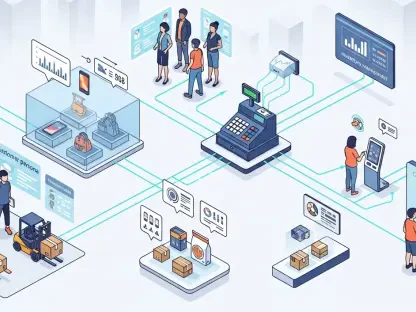
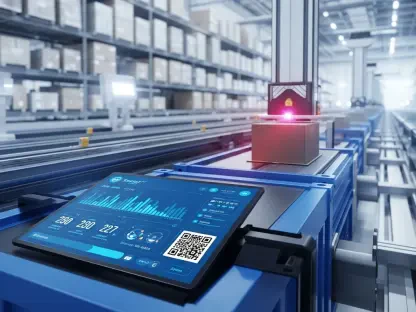
This paradigm shift necessitates a move away from disconnected, siloed systems toward unified and intelligent platforms. Modern solutions that integrate inventory, order management, and transportation into a single, adaptive ecosystem are becoming the standard. By leveraging intelligent automation and advanced data analytics, companies can scale their operations efficiently. This technological integration also empowers employees, freeing them from repetitive tasks to focus on high-impact analysis and strategic innovation.
By the Numbers: Quantifying Growth and Future Potential
The scale of this transformation is reflected in compelling market data. With annual growth consistently exceeding 20%, the Mexican e-commerce market surpassed a value of MX$789.7 billion, driven by an impressive e-commerce penetration rate of approximately 84%. These figures illustrate not just a fleeting trend but a permanent shift in consumer behavior and commercial strategy.
Looking ahead, projections for continued market expansion remain robust, fueled by sustained digital demand and a strong domestic retail ecosystem. Furthermore, the strategic advantage of nearshoring is positioning Mexico as an increasingly vital link in global supply chains. These converging factors indicate that the country is on a clear trajectory to become a continental logistics powerhouse, where excellence in fulfillment will unlock even greater economic potential.
Overcoming Hurdles: Navigating the Complexities of a Modern Logistics Network
A significant challenge for many established businesses is the inertia of legacy systems. Outdated, disconnected processes create operational friction, hindering the agility required to compete in a fast-paced digital market. The transition to a modern, integrated logistics network is not just a technical upgrade but a profound organizational change that requires strategic vision and commitment.
This internal pressure is compounded by increasingly sophisticated consumer demands. Today’s online shoppers expect more than just a product; they demand a seamless experience that includes real-time tracking, consistent communication, and rapid delivery. Meeting these expectations consistently at scale places immense strain on traditional logistics models and necessitates a customer-centric approach to every step of the fulfillment journey.
The Rules of the Road: Navigating Mexico’s Regulatory and Compliance Landscape
Operating within Mexico’s e-commerce ecosystem requires careful navigation of a complex regulatory environment. Consumer protection laws and evolving delivery standards set a high bar for operational conduct, mandating transparency and reliability. Companies must remain vigilant to ensure their logistics processes are not only efficient but also fully compliant with national regulations.
For businesses engaged in cross-border commerce, the complexities multiply. Navigating customs procedures, understanding tax implications, and managing international shipping routes add layers of strategic planning to logistics operations. Ultimately, a steadfast commitment to compliance and security is essential for building a trustworthy brand and contributing to a sustainable and resilient e-commerce ecosystem.
The Horizon Ahead: Charting the Future of Mexican E-commerce Logistics
The convergence of rising digital demand and the global nearshoring trend is set to further elevate Mexico’s role as a key logistics hub in the Americas. As international companies seek to build more resilient supply chains closer to North American markets, Mexico’s strategic location and growing infrastructure present a unique opportunity for growth and innovation in the logistics sector.
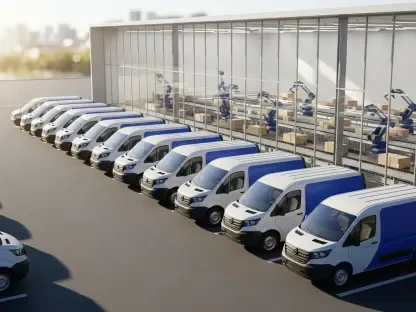
Emerging technologies such as artificial intelligence, predictive analytics, and advanced robotics are poised to redefine supply chain efficiency and the customer experience. The market disruptors of tomorrow will be those who can harness these tools to create smarter, faster, and more personalized delivery solutions. The key will be translating significant technology investments into tangible operational advantages that create clear market differentiation.
The Strategic Imperative: Winning in the New E-commerce Era
The central finding from this market analysis is unequivocal: logistical agility is no longer an optional advantage but an essential component for survival and success in Mexico’s dynamic e-commerce landscape. Companies that continue to view logistics as a mere cost center will inevitably fall behind those who treat it as a core strategic function.
In this competitive environment, earning and maintaining customer trust through reliable, transparent, and efficient delivery has become the new currency of business. A positive fulfillment experience directly translates into repeat business and brand loyalty, creating a virtuous cycle of growth.
Therefore, the path to market leadership requires a decisive investment in unified, intelligent, and customer-centric logistics systems. Businesses that successfully build an adaptive and responsive supply chain are not just preparing for the future; they are actively shaping it, securing their position at the forefront of Mexico’s new e-commerce era.