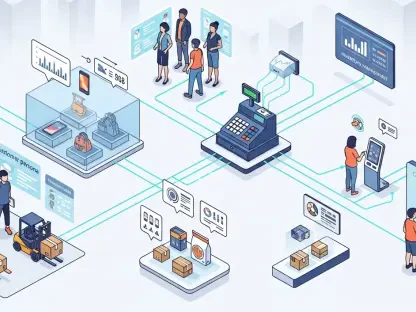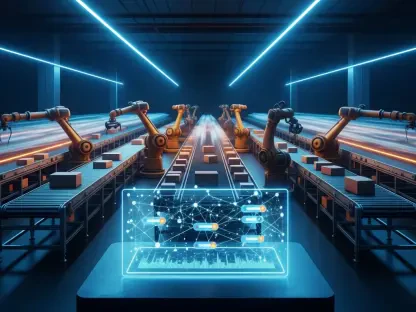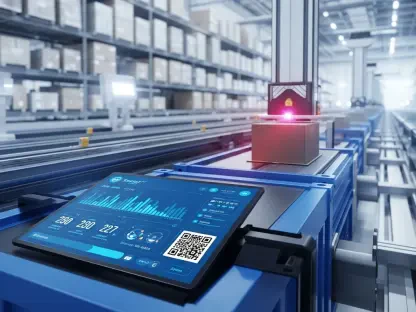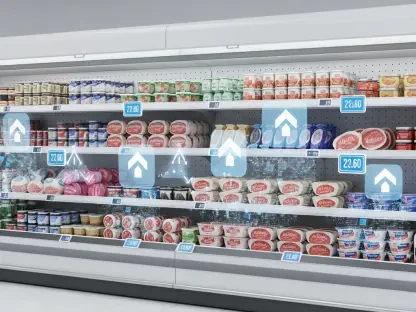

The traditional boundary between the physical retail aisle and the digital shopping cart has effectively dissolved, leaving consumer packaged goods (CPG) brands at a critical crossroads. In a world where consumers switch between mobile apps and brick-and-mortar storefronts in a single breath, the legacy model of separated sales teams is becoming a liability. This shift toward a unified commerce revolution requires a total dismantling of the silos that once separated trade spend from digital marketing.
The stakes of this integration are exceptionally high as retail media networks transform from experimental channels into the dominant drivers of discovery and conversion. A fragmented approach is no longer sustainable because it ignores the interconnected nature of modern inventory management and brand visibility. By exploring the shift toward consolidated leadership and integrated agency models, organizations can identify a roadmap for survival in an increasingly complex omnichannel environment.
The Shift Toward Unified Leadership and Omnichannel Growth
Quantifying the Integration: Data and Adoption Trends
The modern consumer journey has evolved into a non-linear path that typically touches six or more distinct digital and physical interaction points before a purchase occurs. Recent data suggests that shoppers who engage with a brand across multiple platforms are significantly more valuable, yet many companies still struggle to track these interactions holistically. This behavioral shift is the primary catalyst for the current restructuring seen across the brokerage landscape.
Furthermore, the explosive growth of platforms like Amazon Advertising and Walmart Connect has fundamentally altered how budgets are managed. Capital is increasingly moving away from traditional shelf-slotting fees and toward digital media that offers measurable attribution. Research indicates that CPG firms employing a unified sales strategy see significantly higher year-over-year growth than those maintaining isolated departments, proving that integration is a financial necessity rather than just an operational preference.
Strategic Implementation: Case Study of C.A. Fortune
C.A. Fortune has emerged as a primary example of this transformation by consolidating its marketing, e-commerce, and corporate branding under the singular leadership of a Chief Digital and Marketing Officer. This move was designed to break down the barriers that often prevent physical sales data from informing digital advertising spend. By placing these functions under one executive, the firm ensures that every campaign is synchronized across the entire retail ecosystem.
This “one-shelf” strategy allows for seamless coordination between inventory levels at major retailers like Target or Kroger and the digital demand generated through online channels. Additionally, the inclusion of specialized agencies like SRW for creative content and DirectToHispanic for cultural fluency ensures that the sales funnel remains engaging. This multi-layered approach allows brands to maintain a consistent voice while reacting to the specific nuances of different consumer segments.
Expert Perspectives on the Modern Brokerage Model
Industry veterans argue that the death of the legacy brokerage model is well underway, replaced by tech-forward partnerships that prioritize financial and digital acumen over simple retail relationships. The traditional “middleman” who merely facilitated transactions is being phased out in favor of strategic partners who can navigate complex algorithms. Success in this new era depends on a partner’s ability to act as a holistic growth engine.
Maintaining leadership continuity has also proven vital for driving these innovations without losing institutional knowledge. Promoting internal experts, such as Matt Ulmer into the CDMO role, allows an organization to build upon existing successes while aggressively pursuing new digital frontiers. This strategic intentionality enables brands to react with the speed required by modern retail environments, where a delay in decision-making can result in lost market share to more agile competitors.
The Future of Integrated CPG Commerce
Centralizing digital functions creates a foundation for the integration of predictive analytics and artificial intelligence to optimize supply chains. As data flows into a single hub, agencies can better forecast demand and adjust marketing spend in real-time to prevent out-of-stock scenarios. This evolution marks the transition of sales agencies into comprehensive growth platforms that manage everything from the initial brand identity to the final mile of delivery.
However, the path forward is not without risks, particularly regarding technical debt and the challenge of merging disparate data streams from various marketplaces. Over-centralization could potentially lead to bureaucratic bottlenecks if not managed with a focus on agility. Despite these hurdles, the long-term value proposition remains clear: a unified commerce strategy provides a sustainable competitive advantage that allows both emerging and established brands to thrive in a volatile market.
Conclusion: Navigating the New Retail Frontier
The consolidation of sales and digital marketing functions proved to be the defining characteristic of successful CPG operations as the industry moved away from fragmented legacy systems. Companies that embraced a unified leadership structure managed to capture higher margins by aligning their physical presence with digital demand. This strategic shift highlighted the importance of moving with agility and purpose in a landscape where consumer loyalty was increasingly tied to seamless shopping experiences.
Looking forward, brands should prioritize building deep partnerships with agencies that offer end-to-end capabilities rather than niche, disconnected services. The next phase of commerce will likely reward those who invest heavily in data synchronization and cross-functional transparency. Organizations must remain vigilant about refining their internal cultures to support continuous innovation, ensuring that their integrated strategies remain flexible enough to adapt to the next wave of technological disruption.