
The rapid professionalization of the global e-commerce landscape has fundamentally altered how modern small businesses perceive their back-end logistics, transforming what was once a secondary operational task into a cornerstone of competitive strategy and brand identity. In the current marketplace, where consumer loyalty is increasingly fragile, the ability to deliver products with absolute precision and speed has become the primary differentiator between brands that merely survive and those that achieve sustainable expansion. Small retailers can no longer rely solely on the unique quality of their products; they must also master the complex mechanics of getting those products into the hands of customers with minimal friction. This evolution necessitates a departure from the informal, home-based shipping methods of the past in favor of structured, professional systems that provide a foundation for reliability. By prioritizing fulfillment as a strategic asset, entrepreneurs can ensure that their operational infrastructure is capable of supporting their long-term vision.
Navigating the Transition from Seasonal to Year-Round Retail
The traditional business model for many retailers in coastal or tourism-heavy regions once relied almost exclusively on high-volume foot traffic during specific peak months of the year. However, the current economic environment has shifted toward a digital-first approach that allows these businesses to maintain consistent revenue streams throughout the entire calendar year. This transition into e-commerce expands a brand’s reach far beyond its local geography, but it also introduces a significant layer of accountability that was not present in face-to-face transactions. When a customer orders a product online, the fulfillment process becomes the only physical touchpoint between the brand and the consumer, making the delivery experience a critical component of the overall value proposition. Consequently, small businesses must adapt their internal workflows to meet a high baseline of expectations that includes real-time transparency, pinpoint accuracy, and rapid turnaround times for every order.
Maintaining this level of service requires a departure from reactive logistics toward a more proactive and organized management style. For local entrepreneurs, the shift from managing a physical storefront to overseeing a digital supply chain involves a steep learning curve regarding inventory management and shipping coordination. As the digital marketplace becomes more crowded, the efficiency of these behind-the-scenes operations dictates the financial health of the enterprise. Businesses that successfully integrate online sales into their core model find that they can stabilize their cash flow during historically slow periods, provided their fulfillment engine is robust enough to handle the increased complexity. The goal is to create a seamless experience where the logistics feel invisible to the customer, fostering a sense of trust that encourages repeat business and long-term brand advocacy in a competitive and crowded online shopping environment.
Addressing the Vulnerabilities of Rapid Operational Growth
One of the most significant challenges for expanding small businesses is the “growth trap,” a scenario where initial success creates a volume of orders that exceeds the capacity of manual shipping processes. In the early stages of a venture, an entrepreneur might manage inventory in a spare room and pack boxes by hand, but this lean approach inevitably fractures as the brand gains traction and order numbers climb. When a business lacks a structured system for handling this influx, critical failure points begin to emerge, ranging from inaccurate inventory counts to the shipment of incorrect items. These operational bottlenecks do more than just create internal stress; they actively stall a company’s momentum by distracting the owner from high-level tasks like product development or marketing. Without a scalable logistics foundation, the very growth the business worked so hard to achieve can become its greatest liability.
The consequences of these logistical failures are particularly acute in niche markets and tight-knit communities where reputational damage can be permanent. In an era where online reviews and social media feedback can make or break a small brand, a single week of delayed shipments or misplaced orders can lead to a surge of negative publicity that erodes years of hard-earned consumer trust. Professional fulfillment systems act as a safeguard against these risks by replacing inconsistent human labor with standardized, automated workflows that maintain high quality regardless of order volume. By moving away from a reactive “DIY” mindset, businesses can ensure that every package is a professional representation of their brand. This transition not only protects the company’s reputation but also provides the stability needed to navigate the pressures of a rapidly scaling enterprise without sacrificing the customer experience or the personal well-being of the staff.
Building Resilience Through Synchronized Logistics Systems
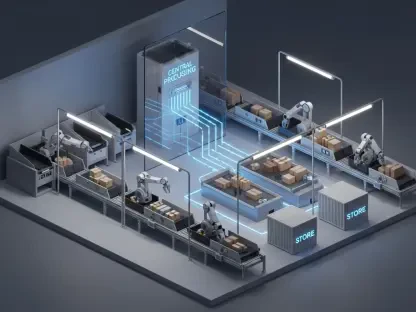
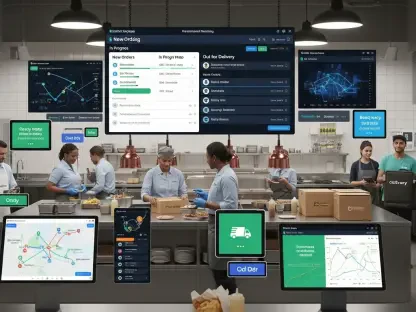
A truly effective fulfillment strategy is not merely a collection of shipping tasks but a synchronized workflow that integrates inventory reception, strategic storage, and digital coordination into a single unit. The heart of this system lies in the seamless connection between the e-commerce platform and the warehouse management software, ensuring that every purchase is logged and processed instantly without the need for manual data entry. This level of digital synchronization eliminates the risk of human error that often plagues small-scale operations, such as overselling out-of-stock items or losing track of high-demand inventory. By utilizing a coordinated approach, small brands can leverage the same professional standards and technological advantages as large-scale corporations, allowing them to compete on a level playing field despite having fewer internal resources or a smaller physical footprint.
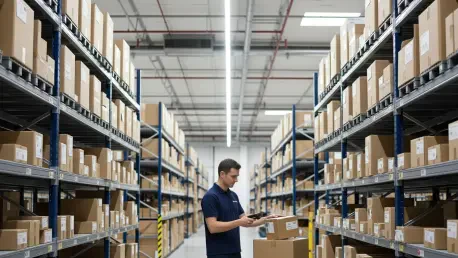
Beyond the digital interface, the physical stages of fulfillment—precision picking and carrier coordination—must be handled with rigorous attention to detail to ensure long-term success. Implementing standardized verification scans and professional packing protocols ensures that the contents of every box are accurate and protected during transit, which significantly reduces the cost and headache associated with returns. Furthermore, establishing strong partnerships with multiple logistics carriers allows a business to optimize shipping routes and provide customers with various delivery options tailored to their needs. This systematic coordination transforms the fulfillment process into a predictable and reliable engine that supports the brand’s growth rather than acting as a source of daily friction. When the logistics chain is treated as a unified system, it becomes a powerful tool for maintaining operational excellence and delivering a consistent product to the end user.
Strategizing for Scalability and Sustainable Brand Development
The strategic implementation of a structured fulfillment system allowed small businesses to achieve an unprecedented level of elasticity, which proved essential for navigating the volatile demand cycles of the modern economy. By outsourcing or professionalizing their logistics, these organizations removed the physical limitations that once hindered their ability to capitalize on sudden market opportunities or seasonal spikes. Instead of being forced to hire temporary staff or rent additional warehouse space on short notice, they utilized scalable infrastructure that adjusted to their needs in real time. This shift meant that the business owner was no longer tethered to a packing table during the busiest weeks of the year, but was instead free to focus on the high-level branding and customer acquisition strategies that drive long-term value. The logistics machine became a self-sustaining asset that operated with minimal daily oversight.
In the final analysis, the transition to reliable fulfillment was a fundamental step toward achieving professional maturity and ensuring the future-proofing of small-scale retail brands. Entrepreneurs who recognized the hidden costs of disorganized shipping—such as lost customers, refund expenses, and the opportunity cost of their own time—invested in systems that provided both stability and peace of mind. These businesses successfully built a reliability narrative that resonated with a sophisticated consumer base, fostering the kind of loyalty that sustained them through shifts in the broader market. By prioritizing the end-to-end delivery experience, small businesses transformed their operational hurdles into a formidable competitive advantage. The move toward professional logistics was not just a response to immediate growth but a calculated investment in the enduring resilience and reputation of the brand in an increasingly complex and demanding global marketplace.