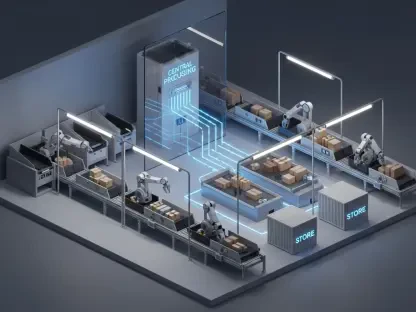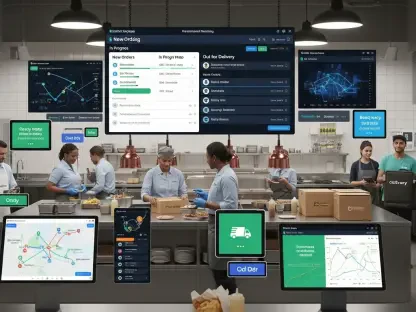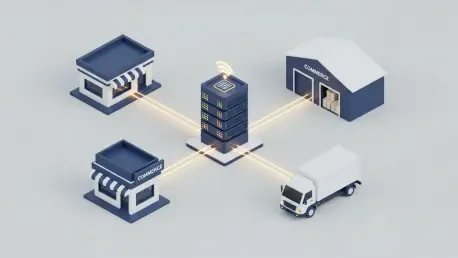

Many mid-market brands are discovering that a surge in customer orders is a double-edged sword when their operational infrastructure remains trapped in a legacy mindset. Retailers generating between $7.5 million and $100 million in annual revenue face a defining moment where sales alone no longer guarantee longevity. The focus transitioned from the storefront to the back office, giving rise to CommerceOps. This strategic synchronization ensures every front-end promise is backed by a resilient engine, prioritizing profitable growth across the United States and the United Kingdom.
From Siloed Systems to Synchronized Commerce
The journey toward integration followed decades of fragmented digital growth. In earlier stages, ecommerce players concentrated on marketing, treating fulfillment as a secondary logistical concern. As the landscape matured into an omnichannel reality, the limitations of these siloed systems became undeniable. The rise of headless architecture and multi-node distribution signaled a shift, yet many organizations still struggled with data silos. Recognizing this history is essential, as it demonstrates that current disruptions are not mere outliers but evidence of a fundamental need for architectural change.
Bridging the Gap Between Growth and Scalability
The Paradox: High Demand and Low Visibility
A staggering 89% of mid-market retailers reported year-over-year growth, yet this success often obscured deep-seated vulnerabilities. Data indicated that only about one-third of these businesses maintained high levels of inventory visibility across their global channels. This transparency gap led to frequent stockouts and fulfillment errors that damaged brand reputation during peak periods. High-performing organizations countered these risks by implementing unified data layers, allowing them to scale revenue without exponentially increasing their headcount.
The Evolution: Automation as a Necessity
Automation also transitioned from an optional advantage to a non-negotiable requirement for market participation. Artificial Intelligence moved beyond surface-level applications like chatbots and deep into the core of demand forecasting and fraud prevention. For the mid-market, these automated workflows provided the resilience needed to handle volatile order volumes. Companies that resisted this technological shift found themselves struggling with tighter margins, whereas those who embraced deep integration achieved a level of efficiency that manual processes could never replicate.
Logistical Agility: Diversification and Complexity
Logistics became a sophisticated revenue driver rather than a simple expense. Market leaders moved away from single-carrier dependencies, opting instead for a diversified logistical network that could adapt to regional disruptions in real time. This agility allowed businesses to optimize for both cost and delivery speed, directly influencing customer retention rates. Overcoming the outdated perception of shipping as a cost center allowed these brands to use their fulfillment capabilities as a distinct competitive edge.
The Future: Intelligence and Resilience
Moving forward, the industry leaned toward predictive intelligence and truly autonomous operations. Systems began to incorporate self-healing supply chains, where automated logic rerouted orders based on real-time carrier performance or warehouse labor availability. Regulatory shifts regarding sustainability also required greater transparency in the operational footprint. This evolution suggested a period of market consolidation, where brands with superior operational frameworks were positioned to acquire less efficient competitors.
Actionable Strategies: Building a Framework
Organizations sought to stabilize their growth by centralizing their data into a single source of truth for all inventory movements. They audited their existing workflows to eliminate manual bottlenecks in order routing and label generation. Diversifying the carrier mix became a standard practice to safeguard service levels during unpredictable market shifts. These steps allowed professionals to pivot from reactive firefighting to proactive strategy, ensuring that their systems remained reliable even under intense pressure.
Concluding Thoughts: The Power of Operational Excellence
The shift toward CommerceOps proved to be the most critical factor for mid-market success during this period of transition. Retailers who integrated their back-end systems with front-end demands built a foundation that supported rapid expansion without sacrificing quality. This maturity transformed logistics into a strategic asset and utilized automation to maintain healthy margins. Ultimately, the most successful leaders recognized that operational excellence was the only way to turn high market demand into a permanent and profitable reality.