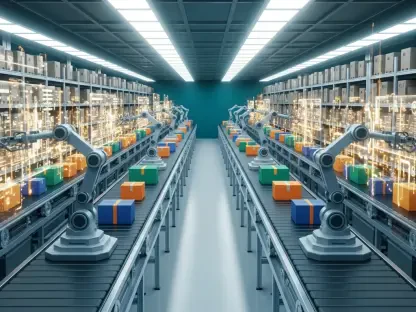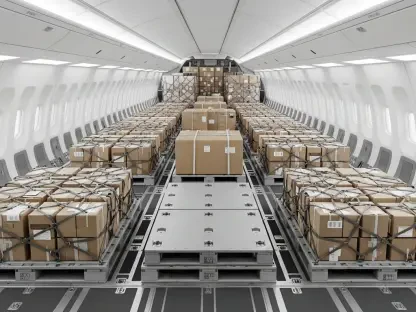

In an increasingly competitive e-commerce landscape where delivery speed and flexibility are paramount, the Dutch marketplace Bol is making a decisive pivot that could fundamentally reshape its operational backbone. The company is moving away from its long-standing proprietary fulfillment service, embarking on a strategic expansion to build a comprehensive third-party logistics (3PL) ecosystem. This initiative signifies a major departure from its established model, where sellers were exclusively channeled through its in-house “Logistics via Bol” program. By opening its doors to external logistics partners, the marketplace aims to create a more dynamic, scalable, and rapid fulfillment network. The strategy, revealed not through a major press conference but through a discreet job posting for an “Ecosystem Partnership Manager Logistics,” points to a deliberate and calculated effort to enhance its logistics capabilities, increase seller options, and ultimately elevate the end-customer experience. This move is not merely an operational tweak but a foundational shift in how Bol manages the critical journey of a product from warehouse to doorstep.
The Strategic Pivot to a 3PL Ecosystem
Unpacking the New Partnership Model
The core of Bol’s new strategy lies in the development of a robust network of external logistics firms, a move designed to provide its sellers with a diverse array of solutions for warehousing and order processing. Until now, the company’s fulfillment services were a closed loop, with its proprietary offering being the sole option for sellers looking to outsource their logistics. This new 3PL network is engineered to dismantle that exclusivity, fostering a competitive environment that prioritizes efficiency and speed. The primary driver behind this initiative is the ambition to significantly shorten delivery times, a critical factor in customer satisfaction and retention in the modern digital marketplace. By integrating multiple specialized partners, Bol can leverage their unique strengths, geographic advantages, and technological innovations to create a more resilient and responsive supply chain. The company is actively seeking to identify and onboard best-in-class 3PL providers who can help construct this intricate network, ensuring that its partners meet stringent standards for performance and reliability.
This strategic shift was brought to light through a job listing for a new role tasked specifically with building out this logistics ecosystem. The “Ecosystem Partnership Manager Logistics” will be instrumental in scouting, vetting, and integrating 3PL partners into Bol’s platform. This indicates a long-term commitment to a more collaborative and open logistics model. The program is slated for a major expansion; while it is currently in a limited phase involving approximately 1,000 international partners through a collaboration with QLS, the vision is to extend this network to all 45,000 of Bol’s domestic and international sales partners. Such a large-scale rollout demonstrates the company’s confidence in the 3PL model as a key enabler of future growth. By empowering its vast seller base with more choice and better tools, Bol is positioning itself not just as a marketplace but as a central logistics facilitator, capable of orchestrating complex fulfillment operations across a wide spectrum of partners and services, thereby enhancing its overall value proposition.
Incentives and Seller Advantages
A significant incentive for sellers to embrace this new 3PL network is the opportunity to gain access to the coveted benefits of Bol’s premium “Select” program. Participation in this program is a powerful sales driver, as it unlocks a suite of attractive delivery options for customers, including complimentary shipping and the ability to schedule precise delivery time slots. These premium services are highly valued by online shoppers and can be a deciding factor in purchasing decisions, giving “Select” sellers a distinct competitive edge. By extending access to this program through its 3PL partners, Bol is effectively democratizing its best delivery features, allowing a broader range of merchants to enhance their offerings and increase their sales potential. This move aligns the interests of the marketplace, its sellers, and its 3PL partners, creating a synergistic relationship where improved logistics directly translate into commercial success. It transforms fulfillment from a mere operational necessity into a strategic tool for growth, enabling sellers to compete on service quality rather than just price.
The broader implication of this strategy is a concerted effort to boost customer satisfaction by meeting and exceeding modern delivery expectations. Today’s consumers demand not only speed but also convenience and control over their delivery experience. The ability to offer free shipping and choose specific delivery windows addresses these demands head-on, reducing friction in the purchasing process and fostering greater customer loyalty. For Bol, a satisfied customer base is the cornerstone of sustainable growth. By facilitating a superior delivery experience through its expanded logistics network, the company reinforces its brand reputation and encourages repeat business. This strategic alignment ensures that as sellers thrive by offering better services, the platform itself becomes a more attractive destination for millions of shoppers. The 3PL ecosystem, therefore, serves a dual purpose: it empowers sellers with the tools they need to succeed while simultaneously strengthening Bol’s market position through an enhanced, customer-centric value proposition.
Infrastructure and Last-Mile Integration
Optimizing Physical Footprints
This pivot towards an external logistics network is also a profoundly strategic decision related to Bol’s own physical infrastructure and capital expenditure. By leveraging the existing warehouse capacity of a diverse network of 3PL partners, the company can significantly reduce its own need for building, leasing, and operating vast fulfillment centers. This “asset-light” approach offers considerable financial and operational flexibility. Evidence of this cautious strategy can be seen in its plans for a new warehouse in Lelystad, which is now slated for a phased construction schedule following slower-than-anticipated growth. Instead of committing massive capital to a single, large-scale project, Bol can now adopt a more agile and distributed model. This allows the company to scale its fulfillment capacity more dynamically in response to market demand, avoiding the risks associated with over-investment in fixed assets. It also enables a more geographically distributed fulfillment network, potentially bringing inventory closer to customers and further reducing delivery times and costs.
The operational agility gained from this model is a key competitive advantage. Market demand can be volatile, and relying solely on a proprietary network can create bottlenecks during peak seasons or periods of rapid growth. By integrating external partners, Bol can absorb fluctuations more effectively, ensuring a consistent level of service even when order volumes surge. This diversification of its logistics infrastructure mitigates risk and enhances the overall resilience of its supply chain. Furthermore, freeing up capital that would have been allocated to warehouse construction allows the company to invest in other critical areas of its business, such as technology development, marketing, and the expansion of its last-mile delivery capabilities. This strategic reallocation of resources ensures that Bol can continue to innovate and compete effectively on multiple fronts, positioning it for more sustainable and flexible growth in the years to come. The decision reflects a mature understanding of modern logistics, where collaboration and network effects often outweigh the benefits of complete vertical integration.
Building a Comprehensive Delivery Network
Bol’s logistics strategy extends beyond the warehouse, encompassing a deliberate push into developing its own last-mile capabilities. This is being driven by its subsidiary, Ampère, which is actively building out a suite of services designed to control the final and most critical stage of the delivery process. Ampère’s initiatives include the establishment of a comprehensive parcel drop-off network and the rollout of direct-to-customer delivery services in select cities. This dual approach creates a more robust and versatile last-mile infrastructure. The drop-off network provides convenience for both returns and collections, while direct deliveries give Bol greater control over the speed, quality, and branding of the customer experience. By investing in this final leg of the journey, the company is ensuring that the service quality promised by its new fulfillment ecosystem is maintained all the way to the consumer’s doorstep, closing the loop on its end-to-end logistics vision and reducing reliance on traditional carriers.
Ultimately, the integration of a 3PL fulfillment network with a burgeoning last-mile delivery arm revealed a holistic and forward-thinking strategy. This was not merely a series of isolated initiatives but the deliberate construction of a comprehensive logistics ecosystem designed to function as a cohesive whole. The move to partner with external fulfillment providers addressed the need for scale, speed, and flexibility at the warehousing and processing stage. Simultaneously, the development of last-mile services through Ampère provided the crucial control and customer-facing excellence needed at the point of delivery. This integrated approach allowed Bol to create a powerful, multi-layered logistics machine capable of competing with the industry’s most formidable players. The strategy demonstrated a clear understanding that in modern e-commerce, winning was no longer just about having a great website; it was about mastering the entire supply chain, from the seller’s inventory to the customer’s hands.