
The digital landscape in India has reached a transformative inflection point where the sheer velocity of a delivery is now secondary to the sophisticated intelligence powering the entire transaction. Gone are the days when market dominance was bought through aggressive discounts and massive customer acquisition budgets. Today, the industry has shifted toward a capability-led hiring model, prioritizing deep technical expertise and operational precision over raw expansion. This strategic pivot ensures that platforms can withstand market volatility while maintaining the razor-sharp efficiency required by the modern consumer.
The scope of e-commerce and quick commerce has expanded far beyond the metropolitan hubs, embedding itself into the very fabric of the national economy. Artificial intelligence now serves as the primary engine for this resilience, moving from a peripheral experimental tool to the core driver of platform stability. Major market players are no longer just retailers; they have evolved into high-tech logistics entities that set the global standard for technical depth and supply chain integration.
The Strategic Pivot of India’s Digital Marketplace
This evolution reflects a maturing ecosystem where the focus has moved toward building sustainable, tech-heavy infrastructures. Companies are increasingly looking for talent that can navigate the complexities of a fragmented market while implementing global-standard solutions. This transition signifies that the industry is preparing for a future where operational excellence is the only viable path to profitability.
Furthermore, the integration of AI across the value chain has redefined what it means to be a leader in the digital marketplace. By leveraging machine learning for everything from inventory management to predictive customer service, businesses are creating a more robust framework. This shift ensures that the sector remains a pillar of economic growth, even as global market conditions fluctuate.
Emerging Trends and Data-Driven Growth Projections
The Ascendance of High-Tech Engineering and Specialized AI Talent
The demand for specialized talent has reached unprecedented levels, with the need for AI and machine learning experts tripling as firms race to build the next generation of digital tools. Software engineers and DevOps specialists are now tasked with creating sophisticated recommendation engines that can predict consumer needs with startling accuracy. These systems are no longer luxury features but essential components for retaining a fickle user base.
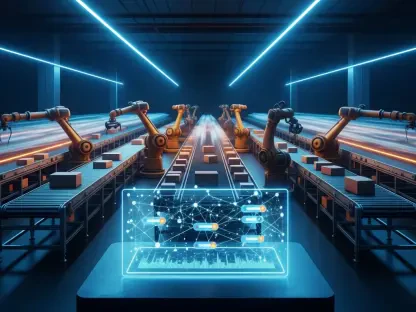
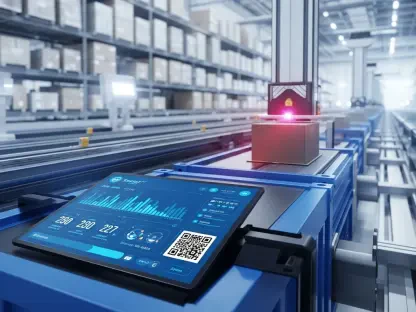
Beyond the front-facing platform, automated warehouse systems are becoming the norm, requiring a new breed of engineer capable of merging physical robotics with digital logic. As consumer behaviors evolve, there is a parallel need for stabilized payment infrastructures that can handle millions of concurrent transactions. Real-time delivery tracking has also moved from a basic map interface to a complex data problem involving traffic patterns and local logistics variables.
Quantitative Analysis of Workforce Expansion and Compensation
Performance indicators suggest a significant surge in overall sector hiring through 2025, with specialized roles leading the charge. This growth is directly reflected in the compensation packages being offered to top-tier talent. AI and machine learning roles currently command premiums of 30% to 40% over traditional technical positions, highlighting the scarcity of these skills in the current labor market.
In the realm of natural language processing, specialists are seeing even higher earning potential as platforms look to humanize their digital interactions through Generative AI. Meanwhile, the gig economy continues its relentless expansion, with the workforce projected to reach 12 million by 2025 and potentially double by the end of the decade. This massive scale requires a sophisticated approach to management that balances volume with worker satisfaction.
Navigating Operational Complexity and Logistics Bottlenecks
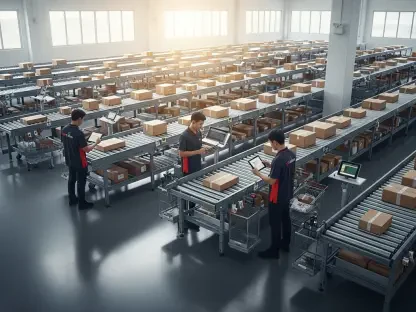
Expanding into Tier 2 and Tier 3 cities presents a unique set of challenges that traditional logistics models simply cannot solve. Reliable delivery in these regions requires more than just drivers; it demands a technological overhaul of the supply chain. Inventory controllers and warehouse automation experts are now the vanguard of this expansion, ensuring that products are staged as close to the final destination as possible.
To manage this logistical web, firms are turning to mobile-first HR technology and instant KYC processes to activate workers in record time. Reducing the time it takes to get a new delivery partner on the road is critical during peak demand periods. However, the true hurdle lies in managing and retaining a massive gig workforce in a highly competitive environment where loyalty is often tied to the efficiency of the platform’s own tools.
Governance and the Evolution of the Digital Workforce Framework
The regulatory landscape is rapidly shifting to keep pace with the explosion of platform-based work and digital commerce. Compliance is no longer just a legal department concern but a core operational requirement that affects how workers are onboarded and how data is managed. New labor standards are beginning to influence the industry, contributing to a rise in average monthly incomes for the frontline workforce.
Security protocols have also become a top priority as digital payment systems grow in complexity. Protecting consumer data while ensuring a seamless checkout experience requires a delicate balance of encryption and user interface design. As the framework for platform workers matures, the focus is shifting toward providing more stability and better protections, which in turn helps stabilize the entire ecosystem.
The Next Frontier: Geographic Hubs and Long-Term Maturity
Regional specialization is redefining the geography of talent in India, with Bengaluru and Hyderabad solidifying their status as the primary hubs for platform engineering. In contrast, Chennai is emerging as a niche center for analytics and product management. This geographic distribution allows companies to tap into diverse talent pools, each offering a different piece of the technical puzzle.
Looking forward, the sector is poised to embrace Generative AI and Large Language Models as the next step in hyper-local logistics. These technologies will allow for even more granular control over the delivery process and customer interaction. While global economic conditions remain a factor, the local focus on perfecting physical and digital infrastructure suggests that the Indian e-commerce market is moving toward a state of long-term maturity and self-sufficiency.
Synthesizing the Future of India’s E-Commerce Ecosystem
The industry successfully transitioned from a period of experimental growth into a period of sophisticated, tech-driven stability. Stakeholders recognized that the merging of high-level technical talent with a responsive, tech-enabled frontline workforce was the only way to sustain momentum. This realization led to a massive reinvestment in AI capabilities and a complete overhaul of traditional logistics frameworks.
The focus shifted toward building systems that were not only fast but also intelligent and resilient. Companies that prioritized the development of proprietary LLMs and automated supply chains found themselves better positioned to handle the complexities of the domestic market. Ultimately, the focus on technical depth and worker empowerment laid the groundwork for a more mature and predictable digital economy.