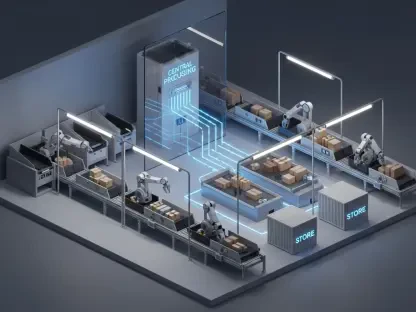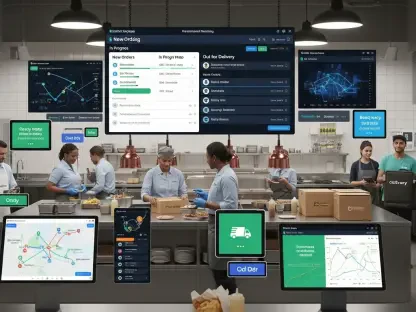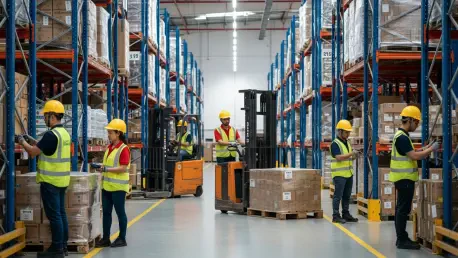

A package weaving through the humid, congested arteries of Kuala Lumpur today represents far more than a simple transaction; it serves as a live telemetry feed in a high-stakes race against time and inefficiency. As Malaysia solidifies its position as a digital-first economy, the traditional methods of moving goods from warehouses to doorsteps have undergone a radical metamorphosis. This evolution is not merely a byproduct of increased volume but a fundamental redesign of how physical assets and digital intelligence interact. Fusionex Express has moved into the center of this transformation, acting as a catalyst for a logistics sector that was once weighed down by manual processes and fragmented communication. The shift toward a smarter, more integrated supply chain is now a prerequisite for any business aiming to survive in an environment where speed is the primary currency.
The Current Landscape of the Malaysian Logistics and Courier Sector
The transition from traditional brick-and-mortar retail to a digital-first economy in Malaysia accelerated at a pace that caught many legacy operators off guard. While the initial surge was prompted by global necessity, the behavioral shift among consumers in 2026 remains permanent, demanding a level of responsiveness that traditional supply chains were never designed to provide. This digital shift has forced a total reevaluation of warehouse placement and inventory management, moving away from centralized hubs toward localized fulfillment centers that can serve urban populations within hours. Consequently, the reliance on advanced tracking and predictive planning has moved from being a competitive advantage to a basic operational requirement.
The ecosystem now comprises a complex hierarchy of stakeholders, including established third-party logistics providers, specialized last-mile delivery firms, and government bodies focusing on large-scale infrastructure projects. Public-sector initiatives have targeted the improvement of road networks and the expansion of digital connectivity, creating a foundation upon which private enterprises can build more sophisticated delivery networks. These stakeholders are no longer operating in silos; instead, they are increasingly dependent on shared data environments to coordinate movements across the various stages of the delivery cycle. This collaborative atmosphere is essential for managing the high-density delivery zones that characterize the Malaysian market.
As technology firms enter the physical logistics space, the convergence of data and distribution has become the defining characteristic of modern courier services. These new entrants do not view logistics through the lens of trucks and drivers alone, but as a problem of computational optimization. By addressing structural inefficiencies through software-driven solutions, they have managed to reduce the “dead time” where vehicles sit idle or travel empty. This marriage of physical movement and digital oversight allows for a more fluid response to the erratic demand patterns that define the current retail environment, effectively bridging the gap between digital orders and physical fulfillment.
Analyzing Industry Trends and Market Projections
Emerging Drivers in Modern Fulfillment
The rise of social commerce has fundamentally altered the cadence of the logistics industry, with platforms like TikTok Shop and other social marketplaces creating viral demand spikes that require immediate reaction. Unlike traditional e-commerce, which follows predictable seasonal patterns, social commerce thrives on momentum and instant gratification. This necessitates a delivery network that is both agile and highly scalable, capable of handling thousands of orders within a narrow window. Logistics providers are now forced to integrate directly with these social platforms to ensure that fulfillment starts the moment a customer clicks a button, bypassing the delays inherent in older order-processing systems.
Consumer expectations have shifted toward a model of “on-demand” logistics, where same-day delivery and total transparency are the new benchmarks for success. In the current market, a customer is less likely to tolerate a delivery window that spans several days, preferring instead to see exactly where their parcel is at any given moment. This demand for real-time visibility has pushed courier services to adopt more granular tracking technologies. Furthermore, the Direct-to-Consumer momentum has encouraged brands to take more control over their logistics strategies, seeking partners who can provide a seamless, branded experience from the digital checkout to the final unboxing.
Market Growth and Economic Forecasts
Statistical overviews of the Malaysian courier, express, and parcel market suggest a period of sustained growth from 2026 through 2030, driven by the deepening penetration of digital services into rural areas. This growth is not just horizontal but vertical, as the value of goods being shipped increases along with the volume. The valuation of the e-commerce logistics sector is expected to climb significantly as high-tech fulfillment becomes more accessible to a wider range of businesses. This economic trajectory is supported by a rising middle class that increasingly relies on home delivery for everything from daily essentials to high-end electronics, creating a robust and diverse revenue stream for logistics operators.
Key performance indicators for success in this competitive climate have shifted toward metrics like fulfillment accuracy and cost-per-mile. Delivery speed remains a top priority, but it must be balanced against the need for precision to avoid the high costs of returns and redeliveries. Companies that can maintain high delivery success rates while minimizing their carbon footprint and operational costs are the ones most likely to dominate the market. Benchmarking these metrics allows providers to identify specific bottlenecks in their networks, enabling them to make targeted investments in automation and fleet optimization that yield the highest returns.
Navigating Bottlenecks and Operational Hurdles
The last-mile journey remains the most complex and expensive segment of the delivery process, particularly in congested urban centers like Kuala Lumpur and the Klang Valley. High traffic density and limited parking for delivery vehicles create significant friction, often leading to delays that ripple through the entire schedule. Addressing these high costs requires a combination of smart routing and alternative delivery methods, such as micro-hubs or designated pickup points. Without these interventions, the final stage of delivery can consume a disproportionate share of a provider’s budget, making it difficult to maintain competitive pricing for consumers.
Legacy system limitations continue to hinder the progress of many traditional courier services that are still tied to rigid, manual frameworks. These older systems are often unable to cope with the high-volume, erratic delivery schedules that characterize modern e-commerce. The lack of integration between different stages of the supply chain leads to data silos, making it nearly impossible to achieve the level of transparency that customers now demand. Transitioning away from these legacy structures requires a significant investment in both technology and culture, as staff must be retrained to work alongside automated systems and data-driven protocols.
Infrastructure and workforce shortages also pose significant challenges to the expansion of the logistics sector. While road networks are improving, they often struggle to keep pace with the rapid increase in delivery vehicle volume. Simultaneously, the availability of reliable delivery personnel fluctuates, creating a labor market that is both competitive and volatile. Managing these physical and human constraints requires a more strategic approach to fleet management, where providers use predictive tools to anticipate labor needs and optimize vehicle usage. This ensures that the network remains resilient even during periods of high demand or unforeseen disruptions.
The Regulatory Framework and Security Standards
Compliance with the Malaysian Postal Services Act remains the foundational requirement for any entity operating within the courier and logistics space. This legal framework governs the licensing of courier services and sets the operational standards that ensure a baseline of quality across the industry. Navigating these regulations requires a thorough understanding of the legal landscape, particularly as the government introduces new measures to address the evolving needs of the digital economy. Staying compliant is not just about following rules; it is about building trust with both the government and the public, ensuring that the service is viewed as a reliable component of the national infrastructure.
Data privacy and consumer protection have moved to the forefront of the regulatory discussion, with the Personal Data Protection Act (PDPA) playing a critical role in how tracking systems manage sensitive information. As logistics providers collect more data on customer locations and preferences, the responsibility to safeguard this information becomes more profound. Implementing robust cybersecurity measures is essential for preventing data breaches that could compromise consumer trust and lead to significant legal penalties. Providers must ensure that their digital platforms are designed with privacy in mind, using encryption and secure access protocols to protect the integrity of their tracking data.
Safety and security protocols have also become more sophisticated to handle the increased volume of high-value parcels moving through the network. Standardized measures for parcel handling, anti-theft strategies, and digital authentication during delivery are now commonplace. For instance, the use of one-time passwords or digital signatures helps to ensure that packages are handed over to the correct recipient, reducing the risk of theft and fraud. These measures not only protect the physical goods but also enhance the overall reliability of the service, providing peace of mind to both the sender and the receiver in an increasingly complex delivery environment.
The Future Trajectory of Tech-Driven Logistics
Hyper-optimization via artificial intelligence and big data is set to redefine the limits of logistical efficiency. Predictive analytics will allow providers to anticipate demand before it even happens, enabling them to place inventory closer to the end consumer and refine routing in real-time. This level of foresight minimizes delays and reduces the overall energy consumption of the delivery fleet. As these technologies become more integrated, the logistics network will begin to function like a self-healing system, automatically adjusting to disruptions like weather events or traffic accidents to maintain a consistent flow of goods.
Green logistics and sustainability are becoming central to the long-term strategy of forward-thinking providers. The potential shift toward electric vehicle (EV) fleets and eco-friendly packaging is a response to both global environmental standards and a growing consumer preference for sustainable brands. By reducing the environmental impact of their operations, logistics companies can not only lower their long-term operational costs but also appeal to a more conscious customer base. This transition toward a greener supply chain is a critical component of staying competitive in a global market that is increasingly focused on carbon neutrality and corporate responsibility.
Regional connectivity and cross-border expansion are positioning Malaysian logistics hubs to serve the broader ASEAN digital market. As trade barriers continue to lower and digital infrastructure improves across Southeast Asia, the ability to move goods efficiently between countries will be a major growth driver. Malaysia’s geographic location and its investment in smart logistics make it an ideal gateway for regional trade. Companies that can master the complexities of cross-border logistics, including customs clearance and regional distribution, will be well-positioned to tap into the massive economic potential of the ASEAN region.
Final Perspective on the Logistics Transformation
The analysis of the current market revealed that the integration of digital intelligence into physical delivery networks was the primary factor in overcoming traditional bottlenecks. Stakeholders recognized that the success of Fusionex Express was rooted in its ability to treat logistics as an information science rather than a simple transport problem. This approach allowed for a level of agility that previous models lacked, effectively setting a new domestic benchmark for speed and reliability. The convergence of data analytics and last-mile execution provided a blueprint for how technology can be used to harmonize the fragmented components of the supply chain.
Small and medium-sized enterprises discovered that the democratization of high-tech logistics served as a vital equalizer in the digital marketplace. By gaining access to sophisticated fulfillment tools that were once the exclusive domain of large corporations, these smaller entities were able to scale their operations with greater confidence. The study showed that the visibility and predictability offered by tech-forward logistics providers reduced the administrative burden on SMEs, allowing them to focus on product innovation and customer engagement. This shift empowered a new generation of entrepreneurs to compete on a level playing field, regardless of their physical location or initial capital.
Strategic recommendations for businesses now emphasize the importance of long-term resilience through technology-driven partnerships. Investors were advised to prioritize logistics providers that demonstrate a commitment to continuous innovation and sustainable practices. The transition from legacy systems to data-integrated platforms was determined to be a necessary step for maintaining operational viability in an increasingly competitive environment. As the logistics landscape continues to evolve, those who embraced the synthesis of speed and intelligence found themselves better equipped to handle the demands of a globalized economy. Moving forward, the focus was placed on expanding these smart networks to ensure that the entire ecosystem remains robust and responsive to future shifts.