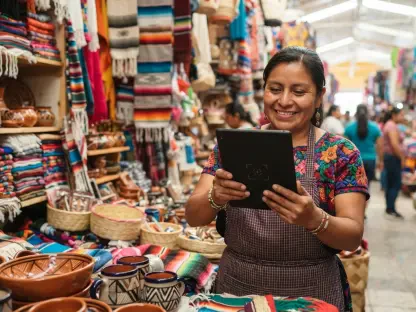

Recent strategic shifts have seen the platform lean heavily into on-platform advertising as a secondary growth engine and diversified revenue stream. This evolution comes at a pivotal moment as the marketplace prepares for the 2026 holiday shopping rush, an annual event that traditionally serves as the ultimate litmus test for the company’s operational endurance. Positioned as a prominent player in the US Midcap sector, the organization finds itself at a unique intersection where its latest financial disclosures meet the rising tide of seasonal consumer demand. The convergence of these factors creates a high-stakes environment for the platform, which has spent the better part of the current year refining its technological infrastructure to better handle the surge in traffic and transaction volume. By focusing on a specialized identity that emphasizes independent makers and vintage curators, the company distinguishes itself from the commoditized world of mass-market retail, appealing to a demographic that prioritizes originality and the story behind the purchase. As investors and analysts pore over the recent data, the primary concern remains whether the platform can effectively capture a significant share of discretionary spending during this critical autumn-to-winter stretch.
The Quarterly Report: A Strategic Checkpoint
The timing of the most recent financial release is strategically significant because it provides a baseline of consumer sentiment just as the gifting season begins to accelerate. Stakeholders look to these reports for early signals regarding the velocity of order flow and the level of engagement among the active shop base. For a marketplace that relies on millions of small, independent businesses, these metrics are essential for determining the overall health of the ecosystem. If the data suggests that shoppers are engaging early and with higher frequency, it provides a buffer of confidence for the company as it enters the peak weeks of December. Conversely, any softening in transaction volume would require a swift pivot in marketing strategy to ensure that the platform remains competitive against larger e-commerce entities. The current reporting cycle therefore functions as more than a mere look at past performance; it acts as a roadmap for the logistical and promotional efforts that will define the remainder of the fiscal year.
Market consensus frequently highlights that management’s forward-looking commentary regarding the “gifting stretch” often carries more weight than the actual revenue figures from the previous months. Analysts are particularly interested in how the company plans to leverage its unique positioning to maintain a “loyal destination” status for shoppers seeking something beyond the standardized offerings of big-box competitors. As a bellwether for the niche commerce sector, the company’s performance reflects broader trends in how specialized digital platforms transition from routine operations into high-intensity seasonal demand. This year, the focus has shifted toward ensuring that the search and discovery algorithms are fine-tuned to highlight seasonal relevance, ensuring that the transition from a standard browsing experience to a conversion-heavy gifting environment is seamless. The ability to articulate a clear strategy for this transition is what separates the market leaders from those who struggle to maintain momentum during the final months of the year.
Understanding the Two-Sided Marketplace: Architecture and Efficiency
At its core, the business model of the platform is built on an asset-light architecture that serves as a conduit between global creators and a diverse audience of shoppers. Unlike traditional retailers that must manage massive physical inventories and the associated warehousing costs, this marketplace generates revenue through a combination of transaction commissions, listing fees, and merchant services. This structure is inherently scalable, allowing the company to expand its reach without the capital-intensive burden of owning the goods sold on its site. However, this flexibility also implies that the company’s success is intrinsically tied to the vibrancy of its seller community and the efficiency of the technology that matches those sellers with the right buyers. The primary challenge in 2026 involves maintaining this balance while ensuring that the quality of the listings remains high and that the user experience is not diluted by the sheer volume of unique items available in the catalog.
Efficiency in this two-sided model is driven by a sophisticated “matching technology” that attempts to turn a casual visitor into a committed purchaser by surfacing items that feel personally curated. Because the platform does not manufacture products, its primary value proposition lies in its role as a high-tech curator. The growth of the marketplace is therefore predicated on its ability to foster discovery, ensuring that even a vague search query leads to a high-quality result from an independent maker. During the lead-up to the holidays, this matching engine becomes the most critical asset the company possesses. By reducing the friction between searching and buying, the platform maximizes the potential of its diverse inventory. This strategic focus on technological matchmaking allows the company to extract more value from its existing traffic, a necessity in an environment where the cost of acquiring new customers continues to rise across all digital commerce sectors.
Merchant Engagement: The Heart of the Ecosystem
The millions of independent artisans and small-business owners who populate the platform are the essential drivers of its unique value proposition. To ensure these creators remain active and profitable, the company has invested heavily in a suite of advanced support tools designed to democratize global commerce for individual sellers. These tools include integrated marketing dashboards, streamlined international shipping solutions, and secure payment processing systems that allow a single individual to operate a global storefront with professional-level efficiency. The health of the marketplace is often measured by the balance between these two groups: the shoppers who demand variety and the merchants who require consistent traffic and reliable tools to grow their businesses. Ahead of the 2026 holiday season, the company has emphasized the importance of merchant confidence, as a motivated seller base is the only way to ensure that the digital shelves are stocked with the handcrafted goods that holiday shoppers crave.
Signs of increased merchant listing activity and higher adoption of promotional tools are typically viewed as positive precursors to a robust shopping period. When merchants feel confident in the platform’s ability to drive traffic, they are more likely to invest in their own inventories and seasonal collections. This symbiotic relationship creates a “flywheel effect” where higher merchant engagement leads to a better shopper experience, which in turn attracts more visitors to the site. In the current economic climate, providing these independent makers with the means to remain competitive against larger retail chains is a top priority for management. By offering merchant services that simplify the complexities of online selling, the platform ensures that its ecosystem remains a viable and attractive place for creators to build their brands. This focus on empowering the individual seller is what maintains the marketplace’s distinct character in an increasingly crowded and standardized retail landscape.
Technological Evolution: Machine Learning and Search Personalization
A fundamental pillar of the company’s 2026 strategy is the deployment of advanced data science to manage its massive and often idiosyncratic catalog. With millions of unique, one-of-a-kind listings ranging from vintage furniture to custom jewelry, the platform faces a navigational challenge that traditional search engines are ill-equipped to handle. To solve this, the organization has leaned heavily into machine learning to improve search relevance and personalization. The goal is to shorten the “path to purchase” by predicting what a user is looking for based on their browsing history and previous interactions. This level of personalization is particularly vital during the holiday season, when many shoppers arrive at the site with only a vague idea of a gift rather than a specific item in mind. By acting as an inspirational guide, the search interface can direct these undecided shoppers toward high-quality maker creations that align with their specific tastes.
Beyond simple search queries, these technological advancements also underpin essential back-end functions such as fraud prevention and logistical optimization. In a marketplace where every item is different and every seller has their own shipping timeline, maintaining a consistent and reliable experience requires a robust technical backbone. The platform uses predictive analytics to provide shoppers with accurate delivery estimates, which is a major factor in conversion during the time-sensitive holiday weeks. Furthermore, the integration of artificial intelligence into the seller dashboard helps makers optimize their listings for better visibility, effectively acting as a digital consultant for millions of small businesses. These innovations are not merely auxiliary features; they are the primary means through which the company defends its market share. By providing a sophisticated, tech-forward experience that rivals the world’s largest e-commerce giants, the platform ensures that its niche focus remains compatible with modern consumer expectations for speed and accuracy.
Economic Influences: Navigating Discretionary Spending Trends
The performance of the marketplace is inherently sensitive to the broader macroeconomic environment, particularly the shifts in consumer confidence that dictate household budgets for non-essential items. Because the platform specializes in discretionary goods—items that are often purchased as gifts or personal treats rather than daily necessities—it must navigate a landscape where families are increasingly watchful of their expenditures. Current 2026 trends suggest a “measured willingness” to spend, characterized by a move away from generic mass-produced items in favor of “meaningful presents” that carry more emotional weight. This behavioral nuance works significantly in the company’s favor, as its catalog of handcrafted and personalized products is often viewed as more intentional than typical retail offerings. Even when budgets are tight, consumers tend to prioritize high-quality gifts for close friends and family, a niche that the platform has successfully occupied for years.
Despite this tailwind, the degree to which discretionary resilience continues through the final months of the year remains a point of intense observation for market analysts. The health of the “discretionary shopper” is perhaps the most significant external factor influencing the platform’s near-term trajectory and its ability to meet year-end financial targets. To mitigate the risks associated with economic volatility, the company has focused on providing a wide range of price points, ensuring that there are “thoughtful” options available for budget-conscious consumers as well as those seeking luxury handmade items. This strategic breadth allows the marketplace to remain relevant across different economic strata, protecting its revenue streams even during periods of cautious spending. By positioning itself as the home for “intentional” gifting, the platform attempts to insulate its brand from the broader pressures of inflation and interest rate fluctuations, focusing instead on the enduring human desire to give something unique and special.
Tactical Readiness: Operational Resilience and Growth Metrics
As transaction volumes reach their peak during the final weeks of the calendar, the operational resilience of the digital infrastructure is put to a rigorous test. Management has prioritized site stability and mobile optimization, recognizing that a significant portion of holiday shopping now occurs on handheld devices during brief windows of consumer downtime. Any technical friction during the checkout process or a failure in the search interface can result in immediate lost sales and long-term damage to customer trust. Consequently, the company has invested in ensuring that its mobile app and desktop site can handle massive surges in traffic without compromising performance. This focus on “operational excellence” extends beyond the digital interface to include the logistics support provided to sellers, helping them manage the increased demand for shipping and customer service that accompanies the holiday rush.
In the broader financial community, the platform is often treated as a bellwether for the health of the micro-entrepreneur economy. Its ability to sustain momentum and attract repeat buyers is seen as a signal for the wider niche commerce sector. Investors are particularly watchful for evidence that the marketplace can defend its territory against new social-media-based storefronts and traditional retailers that are attempting to mimic the handcrafted aesthetic. The company’s growth metrics, such as Gross Merchandise Sales and active buyer retention, are scrutinized as indicators of its long-term stability within the Russell 1000 and other major indices. By maintaining a seamless experience under the pressure of peak seasonal volume, the organization reinforces its reputation as a reliable and professional marketplace. This operational strength is a key differentiator that allows the platform to retain its large global user base even as competition in the digital retail space continues to intensify.
Strategic Marketplace Dynamics: Reflections and Future Trajectory
The platform successfully implemented a series of technological refinements that prioritized search relevance and merchant empowerment throughout the 2026 fiscal cycle. Management recognized that the long-term viability of the marketplace depended on its ability to transition from a seasonal gifting destination into a year-round habitual shopping site. By expanding on-platform advertising and merchant services, the company created a more diversified revenue profile that proved resilient against traditional retail volatility. These initiatives demonstrated that a specialized marketplace could indeed scale without losing its unique brand identity, provided it continued to invest in the data science necessary to manage its complex and diverse inventory. The strategic focus on “meaningful commerce” resonated with a consumer base that was increasingly skeptical of mass production and sought more authentic connections with the products they purchased and the people who made them.
Stakeholders acknowledged that the next logical step for the company involved deeper integration into the social discovery landscape to meet shoppers where their attention was naturally focused. This indicated a shift toward mobile-first experiences and a more aggressive stance on global expansion, particularly in markets where the artisanal economy was still largely offline. The performance during the 2026 holiday surge provided the necessary capital and confidence to pursue these ambitious goals, suggesting that the platform was well-positioned to lead the niche commerce sector into the future. By maintaining a high standard of operational readiness and continuing to innovate in the realm of personalization, the company ensured that it remained a vital link between the global community of makers and the modern consumer. The lessons learned during this critical shopping period established a framework for sustainable growth that balanced technological efficiency with the core human values of craftsmanship and originality.