
In an era where digital transactions are becoming the norm, a significant portion of the population remains reliant on cash, creating a persistent financial divide that technology has struggled to close. The recent acquisition of Tila Top Up by CellPay represents a significant strategic maneuver designed to directly address this gap, but it raises a critical question: Can a corporate deal truly foster genuine financial inclusion for millions of underserved consumers? This move is positioned not merely as a business consolidation but as a foundational step toward building a more equitable financial ecosystem from the ground up.
A Strategic Play for Main Street Fintech
The acquisition immediately frames CellPay as a key player in the “Main Street fintech” space—a sector focused on providing digital services to communities often overlooked by traditional banking institutions. By absorbing Tila Top Up, a fellow digital recharge platform, CellPay is making a calculated bet on the power of neighborhood retail.
The central inquiry is whether this corporate strategy can translate into tangible benefits for the unbanked and underbanked. The success of this venture will not be measured by market share alone, but by its ability to empower both local merchants and the cash-preferred consumers they serve, transforming corner stores into accessible hubs for modern financial services.
The Players and the Playground A Market in Need
Both CellPay and Tila Top Up built their businesses by catering to a specific, yet substantial, market: consumers who operate primarily with cash. These digital service providers facilitate everything from wireless top-ups to bill payments through a network of local, independent retailers. This ecosystem is the lifeblood of their operations, turning familiar neighborhood shops into crucial access points for essential digital services.
This network of merchants forms the critical infrastructure for reaching communities that lack easy access to traditional banks. For these consumers, a trip to the local convenience store is not just for groceries but also for managing finances. Therefore, the strength and reach of this retail network directly correlate with the level of financial access available to the community.
Unpacking the Deal Key Synergies and Immediate Benefits
The merger creates powerful synergies that promise immediate and tangible value for merchants and consumers alike. By combining their networks, the companies have engineered a more robust and comprehensive service platform. This consolidation is about more than just scale; it is about creating a more efficient, profitable, and user-friendly experience at every level.
An Instant-Access Retail Expansion
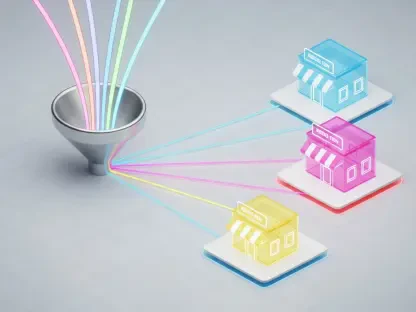
The most immediate outcome of the acquisition is a dramatic expansion of CellPay’s physical footprint. The deal instantly adds thousands of former Tila Top Up retail locations to CellPay’s network, significantly broadening its national presence and making its services more accessible than ever before.
This rapid growth means that millions of consumers will find a CellPay service point closer to home, reducing barriers to access for essential services like mobile recharges and digital payments. For a demographic where convenience is paramount, this expanded retail availability is a critical factor in driving adoption and fostering financial inclusion.
Empowering the Merchant Partner
For the small business owners who formed the backbone of Tila Top Up’s network, the acquisition brings a host of direct benefits. These merchants now gain access to CellPay’s more extensive product catalog, which translates to more revenue opportunities and improved profit margins. This move is designed to make their partnership more lucrative and sustainable.
Furthermore, these retailers will be equipped with enhanced operational tools. The integration promises faster reporting and more sophisticated analytics, giving merchants better insights into their sales and customer behavior. These upgraded tools empower them to manage their businesses more effectively and serve their communities with greater efficiency.
A Unified and Upgraded Fintech Ecosystem
The integration brings all merchants under the umbrella of CellPay’s advanced fintech platform. This unified ecosystem features upgraded store dashboards that provide a clearer, more intuitive user experience for retailers. The platform also offers an expanded selection of gift cards and international top-up services, broadening the range of products merchants can offer.
Looking ahead, CellPay plans to further enhance this ecosystem by introducing crypto-enabled payment options. This forward-thinking addition signals an ambition to not only serve the current needs of cash-based communities but also to provide them with a bridge to emerging digital financial technologies, ensuring they are not left behind in the next wave of innovation.
More Than a Merger A Community-Centric Growth Strategy
What distinguishes this acquisition from a standard corporate expansion is its explicitly stated commitment to the small, neighborhood retailer. CellPay has framed this deal as a strategy to strengthen these businesses, viewing them not as mere distribution points but as vital community lifelines. This approach recognizes that the trust and familiarity of a local store are invaluable assets in serving underserved populations.
This community-centric model is a core differentiator. Rather than seeking to replace these local businesses with a purely digital solution, CellPay is actively empowering them with better tools and products. This strategy acknowledges that for many, financial access is built on personal relationships and physical presence, and it leverages that existing social infrastructure to deliver modern services.
The Road Ahead From Acquisition to Innovation
With the acquisition complete, CellPay has laid out a clear roadmap for the future. The company plans to continue its national retail expansion through 2026, aiming to solidify its presence in communities across the country. This growth is not just about adding more locations but about deepening the company’s penetration into areas that need its services most.
Beyond physical expansion, CellPay is focused on product innovation. The company intends to develop and launch new fintech products specifically tailored to the unique needs of its target demographics. Examples include solutions for single parents who need last-minute wireless top-ups or tools for immigrant workers sending financial support to family abroad, demonstrating a commitment to solving real-world financial challenges.
Reflection and Broader Impacts
Reflection
The acquisition’s strengths lie in its clear community focus and the potential for rapid market penetration. By leveraging an existing retail network, CellPay can scale its services quickly and efficiently. However, challenges remain, primarily centered on seamless technological integration and ensuring the expanded service offerings genuinely meet the evolving needs of end-users without introducing unnecessary complexity.
The ultimate success will depend on how well the company can balance corporate growth with its mission-driven goals. Maintaining the trust of both merchants and consumers during this transition will be crucial, as will the ability to adapt and refine its platform based on real-world feedback from the communities it aims to serve.
Broader Impact
This acquisition could have significant implications for the broader fintech industry. It presents a compelling model for achieving financial inclusion that emphasizes partnership with existing community infrastructure rather than disruption. If successful, it could set a new standard for how technology companies can effectively serve cash-based economies.
Moreover, this move prompts a larger conversation about the future of cash-dependent communities in an increasingly digital world. It challenges the notion that a cashless society is the only path forward, suggesting instead a hybrid model where digital services are made accessible through trusted, physical touchpoints. This approach could prove vital in ensuring that technological progress does not widen the financial divide.
A Calculated Step Toward Financial Equity
In summary, the acquisition of Tila Top Up by CellPay represented a strategic consolidation that significantly expanded the company’s market reach and enhanced its service offerings. The move was carefully designed to empower the thousands of local merchants who act as the primary financial access points for unbanked and underbanked consumers.
Ultimately, this merger was more than a business transaction; it was a calculated step toward building a more inclusive financial landscape. The initiative demonstrated that by strengthening community retailers and providing them with advanced digital tools, it was possible to create a powerful bridge between the cash-based economy and the digital future, offering a pragmatic answer to how financial equity could be meaningfully advanced for millions.