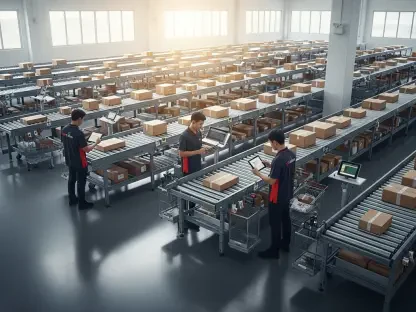

The relentless expansion of digital marketplaces across Latin America has forced a critical reevaluation of how goods move through congested urban centers without permanently damaging the local ecosystem. As the global logistics industry grapples with the environmental consequences of rapid shipping, Mexico has emerged as a pivotal battleground for green retail practices. The significance of the Mexican market in regional expansion strategies cannot be understated, particularly as consumers increasingly demand a balance between delivery speed and carbon footprint reduction. Key market players are now navigating a technological shift that prioritizes a more responsible supply chain, moving beyond traditional fulfillment models to embrace intelligence-driven logistics.
The Intersection of E-commerce Growth and Environmental Responsibility
Logistics operations in Mexico are currently undergoing a significant transformation driven by the rise of sustainable retail practices and the integration of eco-friendly infrastructure. As a primary hub for regional distribution, the country faces the unique challenge of managing a burgeoning middle class that expects rapid service while simultaneously adhering to global sustainability targets. This environment has prompted a shift toward green logistics, where the efficiency of the delivery network is measured not just by time, but by its overall environmental impact and resource consumption.
Market leaders are increasingly leveraging predictive analytics to identify the optimal balance between customer expectations and operational sustainability. The push for a more responsible supply chain involves a transition away from fragmented delivery schedules toward a model that prioritizes vehicle load capacity and fuel efficiency. Consequently, the development of green logistics in the Mexican market serves as a blueprint for other emerging economies seeking to harmonize economic growth with long-term ecological responsibility and reduced carbon emissions.
Transforming Consumer Habits Through Intelligent Delivery Solutions
The Shift Toward Order Consolidation and Green Last-Mile Logistics
The introduction of Amazon Day in Mexico empowers Prime members to synchronize their delivery schedules, allowing all eligible purchases to arrive on a single designated day. This service effectively challenges the traditional retail mindset that prioritizes instant gratification, steering consumer behavior toward a more deliberate and efficient way of shopping. By consolidating multiple orders into one shipment, the platform significantly reduces the number of individual delivery trips required, which in turn lowers the frequency of delivery vehicle presence in densely populated urban areas.
Furthermore, the logistical strategy relies heavily on artificial intelligence to optimize packaging dimensions and detect facility inefficiencies in real-time. This technological intervention ensures that every package occupies the minimum amount of space, maximizing the utility of delivery vans. The influence of the “Ships in Product Packaging” initiative is also growing, as it eliminates the need for redundant secondary boxes for millions of items. This transition toward using original manufacturer packaging represents a fundamental shift in how the industry views waste reduction and shipping efficiency.
Quantifying Sustainability Metrics in Global Shipping and Logistics
Data from established international markets highlights the effectiveness of delivery consolidation in driving down environmental costs. In the United States and major European regions, the implementation of similar consolidation programs led to a twenty percent reduction in box usage and a significant drop in total package volume throughout the 2024 fiscal year. These statistics provide a measurable baseline for the Mexican launch, suggesting that the adoption of intelligent delivery schedules can lead to substantial reductions in waste at an industrial scale.
Looking forward, global shipping volumes are expected to reach eight hundred billion packages annually by 2030, making current sustainability efforts even more critical. Performance indicators for sustainable retail now focus heavily on the total volume of carbon saved through consolidated shipping routes and the reduction of excess packing material. By analyzing these metrics, stakeholders can better understand the potential for waste reduction and the long-term viability of eco-friendly logistics as a standard operational procedure.
Navigating the Conflict Between Rapid Fulfillment and Carbon Reduction
A primary challenge in modern logistics remains the inherent conflict between the consumer desire for same-day delivery and the environmental benefits of consolidated shipping. Rapid fulfillment often requires less efficient transport routes and partially filled vehicles, which increases the total carbon output per item delivered. To address this, organizations are developing strategies that maintain high levels of operational efficiency while minimizing the total number of trips made by delivery fleets. This involves a delicate balancing act where convenience is weighed against the complexities of sustainable urban distribution.
Detecting energy inefficiencies in real-time allows logistics providers to overcome infrastructure limitations that might otherwise hinder green initiatives. By using data-driven insights to manage warehouse energy consumption and route planning, companies can reduce their operational overhead while meeting environmental goals. The goal is to create a logistics network that can adapt to high demand without sacrificing the commitment to carbon reduction, ensuring that the convenience of modern e-commerce does not come at an unacceptable environmental price.
Adapting to Evolving Environmental Standards and Regional Delivery Regulations
The regulatory landscape in Mexico is evolving to reflect global trends in carbon emission standards and environmental compliance. Corporations operating within the region must navigate a complex set of local laws and international guidelines designed to limit the ecological impact of the transport sector. Meeting these standards requires a commitment to transparency in carbon reporting and a proactive approach to waste management. Security measures in packaging must also be standardized to ensure that products remain safe during transit without the use of excessive or non-recyclable materials.
Corporate compliance is no longer just a legal necessity but a strategic advantage in a market where consumers value environmental integrity. Industry-wide regulations are currently shaping the future of retail transport by mandating more efficient fuel usage and encouraging the adoption of electric delivery fleets. As these regional delivery regulations become more stringent, the logistics sector must innovate to ensure that its operations remain both profitable and environmentally sustainable in the long term.
The Role of Artificial Intelligence and Packaging Innovation in Future Logistics
Emerging technologies in automation and predictive analytics are set to redefine how routes are planned and how products are packaged for transit. By utilizing machine learning, logistics networks can anticipate demand spikes and adjust their distribution strategies to ensure maximum efficiency. The market is also seeing the rise of potential disruptors such as autonomous delivery vehicles and advanced biodegradable materials that could drastically reduce the reliance on traditional plastic and cardboard packaging.
The transition toward a circular economy is gaining traction, with a focus on designs that allow original manufacturer packaging to serve as the primary shipping container. This approach not only streamlines the supply chain but also significantly lowers the volume of secondary waste generated by the e-commerce industry. Anticipating growth areas in eco-friendly logistics involves staying ahead of these technological trends and integrating them into a cohesive strategy for sustainable urban distribution that meets the needs of a modern economy.
Strategic Implications of Amazon Day for the Mexican Retail Landscape
The launch of Amazon Day in Mexico established a clear precedent for how large-scale retail entities could effectively merge consumer convenience with significant environmental benefits. This initiative demonstrated that order consolidation was a viable and scalable solution for reducing the carbon footprint of the e-commerce sector in Latin America. Stakeholders and investors recognized that the shift toward sustainable logistics offered a way to enhance operational efficiency while meeting the increasing regulatory and social demand for green business practices.
The long-term outlook for the logistics sector indicated that the integration of green technology would become a fundamental requirement for market competitiveness. This regional rollout proved that the logistics industry could successfully adapt its infrastructure to support more responsible consumption patterns. The move toward consolidated delivery schedules ultimately provided a blueprint for a future where retail standards are defined by their ability to protect the environment while maintaining the high level of service that modern consumers expected.