
The persistent tug-of-war between rising consumer demands for free, fast shipping and the escalating operational costs faced by brands has defined the e-commerce landscape for nearly a decade, creating a seemingly unsolvable economic puzzle. AI Logistics Orchestration represents a significant advancement in this sector, moving beyond incremental improvements to offer a fundamental rethinking of how packages move from warehouse to doorstep. This review will explore the evolution of the technology, its key features, performance metrics, and the impact it has had on various applications, using Veho’s FlexSave launch as a central case study. The purpose of this review is to provide a thorough understanding of the technology, its current capabilities, and its potential future development.
The Dawn of Intelligent Logistics
The core principle of AI-driven logistics orchestration is its departure from traditional, linear “first-in, first-out” models that have long governed the shipping industry. In a conventional system, parcels are processed sequentially, often leading to inefficient asset utilization and rigid delivery schedules that fail to adapt to real-world conditions. Intelligent orchestration, in contrast, treats the entire network of parcels, vehicles, and destinations as a dynamic system to be optimized in real time.
This technological shift directly addresses the modern e-commerce dilemma. Brands are caught between the non-negotiable consumer expectation of free and fast delivery and the reality of legacy carriers imposing annual rate hikes of around six percent. This “catch-22” forces businesses to either absorb margin-eroding costs or risk high rates of cart abandonment by passing fees to the customer. AI orchestration offers a third way, creating efficiencies that lower operational costs without compromising the speed or quality the market demands.
Core Technologies of AI Orchestration
MaestroAI: The Orchestration Engine
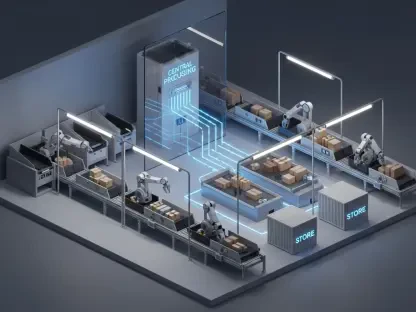
At the heart of this new logistics paradigm is the proprietary AI platform, such as MaestroAI, that functions as the system’s central nervous system. This orchestration engine ingests millions of data points continuously, making dynamic prioritization decisions for every parcel in the network. Instead of simply following a static queue, it analyzes package destinations, service-level agreements (SLAs), and available network capacity to optimize everything from how parcels are batched at the warehouse to the final-mile route a driver takes.
The platform’s primary function is to maximize efficiency across the entire logistics chain. By constantly recalculating the optimal journey for each package, it ensures that vehicle capacity is maximized, fuel consumption is minimized, and delivery density in any given neighborhood is increased. This level of granular, real-time control is what enables a logistics provider to generate significant operational savings that can then be passed on to shippers.
Flexible Delivery Windows as an Efficiency Driver
A critical component that unlocks the full potential of an AI orchestrator is the introduction of controlled flexibility into delivery timelines. While consumers demand speed, a slight broadening of the delivery window from a rigid, day-certain promise to a two or three-day timeframe provides the AI with the necessary latitude to achieve maximum efficiency. This small buffer is a powerful lever for cost optimization.
From a technical standpoint, this flexibility allows the AI to group more packages headed to the same area, even if they were ordered on different days. This increases delivery density, which is a key metric for last-mile efficiency. It allows the system to hold a package for an extra day if it means creating a more efficient route tomorrow, drastically reducing the cost-per-stop. This strategic patience, managed by the AI, directly translates into lower transportation costs and, consequently, more competitive pricing for e-commerce brands.
Preserving the Premium Customer Experience
A primary concern with any cost-saving logistics model is the potential degradation of the end-customer experience. Intelligent orchestration systems address this by integrating sophisticated, customer-facing technologies that maintain a sense of premium service. The goal is to ensure that operational efficiency remains a back-end advantage, invisible and seamless to the recipient.
Key performance characteristics of these systems include features like proactive communication, where customers receive timely updates about their delivery status. Live customer support and the ability to communicate directly with the delivery team provide a layer of reassurance and control. Furthermore, features such as photo delivery confirmation build trust and reduce instances of reported non-delivery. These technologies are crucial for maintaining brand reputation, demonstrating that cost optimization does not have to come at the expense of customer satisfaction.
Emerging Trends and Strategic Shifts
The latest developments in AI logistics orchestration signal a major strategic shift in how e-commerce brands view their shipping operations. The technology is enabling a move away from treating logistics as a necessary but burdensome cost center and toward a model where it becomes a strategic, brand-controlled asset. This transformation is driven by the newfound ability to tailor shipping solutions to specific business needs rather than accepting a one-size-fits-all service from a legacy carrier.
Emerging trends include the rise of customizable transit times, allowing brands to design their own delivery windows that balance cost with customer expectations. This turns the checkout process into a dynamic tool. Instead of a simple cost calculator, it can be used to offer various shipping options that increase conversion and build loyalty. The potential for end-customer control, such as allowing a recipient to expedite or delay their own delivery, further transforms shipping into a personalized experience and a competitive differentiator.
Real-World Applications in E-commerce
The real-world deployment of AI logistics orchestration is best exemplified by the launch of services like Veho’s FlexSave. This offering was specifically designed to address the “catch-22” facing e-commerce brands. It enables them to significantly reduce their shipping spend by leveraging the efficiencies of AI-managed flexible delivery windows, all while maintaining the premium customer-facing features that protect their brand’s reputation.
By providing a more affordable yet high-quality shipping option, FlexSave directly impacts key business metrics. It helps brands improve checkout conversion by making it financially viable to continue offering free or low-cost shipping. At the same time, it enhances the overall return on logistics investment by ensuring high delivery reliability, which in turn reduces the volume of costly customer service inquiries and minimizes customer churn related to poor delivery experiences.
Implementation Challenges and Market Hurdles
Despite its clear advantages, the widespread adoption of AI logistics orchestration faces notable challenges. On the technical side, integrating a sophisticated AI platform with the vast and diverse landscape of e-commerce systems, warehouse management systems, and enterprise resource planning software is a significant hurdle. Each integration requires careful planning and execution to ensure seamless data flow and operational consistency.
Beyond technical issues, market obstacles also exist. There is considerable inertia within the logistics industry, and convincing brands to shift away from long-standing relationships with legacy carriers can be difficult. Overcoming the perception that lower cost must equate to lower quality is a key marketing and sales challenge. It requires demonstrating through data and performance that intelligent, technology-driven efficiency is fundamentally different from traditional budget shipping services.
The Future Trajectory of Logistics Orchestration
The future trajectory of this technology points toward the creation of a comprehensive suite of intelligent delivery solutions. The initial offerings focused on cost-effective ground delivery are just the beginning. Future developments will likely expand to include options for expedited shipping, oversized items, and specialized services, all managed under the same AI-powered orchestration umbrella.
A significant area of future development is in predictive analytics for demand shaping. By analyzing vast datasets, AI platforms could soon help e-commerce brands anticipate purchasing trends and even influence them by dynamically adjusting shipping offers in real time. In the long term, the continued advancement of AI orchestration will profoundly impact the competitive landscape, putting pressure on traditional carriers to innovate and empowering brands with a level of control over their logistics that was previously unimaginable.
Conclusion: A New Paradigm for Shipping
AI logistics orchestration represented a fundamental shift in the e-commerce and shipping sectors. It moved the industry beyond the limitations of linear, sequential processing and introduced a dynamic, data-driven model that unlocked unprecedented levels of efficiency. By intelligently managing the trade-off between delivery speed and operational cost, this technology provided a viable solution to the long-standing conflict between high consumer expectations and the economic realities faced by online retailers. Ultimately, its greatest impact was in empowering brands, transforming logistics from a mere operational necessity into a powerful strategic tool for driving growth, enhancing customer loyalty, and building a sustainable competitive advantage in a crowded marketplace.