
The familiar hum of conveyor belts and the steady rhythm of forklifts are increasingly being joined by the digital chimes of achievements unlocked and leaderboards updated as warehouse operations undergo a fundamental transformation. A significant forecast predicts that by 2028, nearly half of all large distribution centers will deploy employee engagement and gamification tools to motivate their workforces. This trend is not merely about making work more enjoyable; it is a strategic response to persistent labor shortages, high turnover costs, and the relentless demand for operational efficiency in a rapidly evolving logistics landscape. The central question for supply chain leaders is no longer if these changes are coming, but how to prepare for them.
A New High Score for Warehouse Operations
The projection that 40% of large warehouse operations will integrate gamification tools represents a pivotal shift in managing logistics talent. This move signals a departure from traditional management styles toward a model that prioritizes employee motivation and engagement. By incorporating game design principles such as badges, points, and rewards, organizations are aiming to transform routine tasks into compelling challenges. This approach addresses the core issues of morale and retention by fostering a more dynamic and interactive work environment.
This strategic pivot is driven by a recognition that the modern workforce, particularly younger generations, seeks more than just a paycheck. Employees now expect meaningful work experiences that offer clear paths for skill development and recognition. Gamification helps organizations deliver on these expectations by combining engagement, skill-building, and acknowledgment in a practical and measurable way, turning the warehouse floor into an arena where performance and progress are celebrated.
Why the Warehouse Floor Needs a System Reboot
The logistics industry is currently navigating a perfect storm of challenges, including critical labor shortages and the staggering financial impact of high employee turnover. These issues directly threaten operational continuity and efficiency at a time when consumer demand for speed and accuracy has never been higher. The traditional model of viewing labor as a simple input is proving unsustainable, forcing companies to find innovative ways to attract, train, and retain a skilled workforce.
Furthermore, the expectations of the workforce have fundamentally changed. Today’s employees are looking for roles that provide a sense of purpose and opportunities for personal and professional growth. They value immediate feedback, transparent performance metrics, and a collaborative atmosphere. Gamification directly addresses these desires by creating a structured environment where individual contributions are visible and rewarded, fostering a culture of continuous improvement and healthy competition.
Leveling Up How Warehouse Work Gets Done
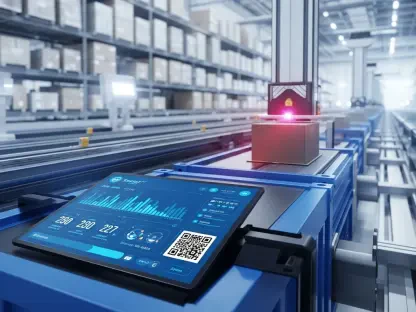
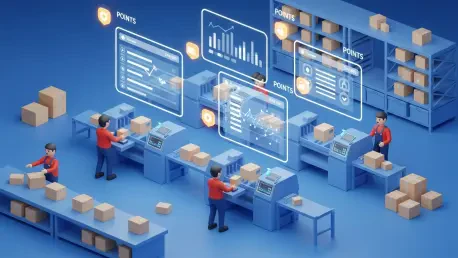
At its core, gamification introduces proven mechanics to drive productivity. Leaderboards create friendly competition among teams, while badges and points provide tangible recognition for achieving specific goals, such as order accuracy or picking speed. These systems are often supported by real-time progress-tracking dashboards that give employees immediate visibility into their performance, which builds confidence and empowers them to take ownership of their growth.
Beyond these basic elements, gamification offers practical applications that streamline critical operations. For instance, interactive quizzes and gamified simulations can significantly accelerate the onboarding and training process for new or seasonal staff, making learning more effective and engaging. These modules are not standalone novelties but are increasingly integrated with existing Warehouse Management Systems (WMS), robotic platforms, and mobile applications, ensuring a seamless and unified employee experience.
Expert Insights on the Gamification Wave
The move toward gamification is supported by a fundamental shift in how organizations view their employees. Federica Stufano, a senior principal analyst, notes that this trend meets the modern employee’s need for “meaningful work experiences and opportunities to succeed.” It reflects a strategic decision to treat workers not as interchangeable cogs in a machine but as valuable assets whose engagement is critical to success.
However, implementing these systems requires careful planning. While the benefits are clear, organizations must navigate potential hurdles, especially in unionized and highly regulated environments where changes to performance tracking and incentive structures demand thorough negotiation and transparent communication. The key is to position gamification as a tool for empowerment and skill enhancement rather than just another layer of oversight.
A Playbook for a Successful Gamification Rollout
A successful implementation begins with establishing a transparent labor-management framework where employees have clear visibility into how their efforts are tracked and rewarded. To build early momentum and trust, it is advisable to focus on quick wins first. Prioritizing initiatives that reduce wasted or idle time can deliver immediate, tangible improvements to workers’ daily routines before more complex incentive systems are introduced.
From there, a strategic pilot program is essential. Identifying enthusiastic locations and supporting them as early adopters helps create internal champions who can advocate for the new system. This process requires an investment in people, with dedicated resources allocated for local change management to help teams navigate new workflows and fully embrace the interactive experiences. Integrating a gamification feature already built into an existing workforce management platform can also simplify the rollout and provide a more unified user experience from the start.
In summary, the growing adoption of gamification in warehouses presented a strategic answer to the industry’s most pressing labor challenges. By reframing tasks and creating clear feedback loops, these tools helped organizations build a more engaged, motivated, and productive workforce. The successful integration of these systems depended on a transparent strategy, thoughtful implementation, and a genuine commitment to investing in employees as valuable assets rather than as mere commodities. This shift marked a critical evolution in how the supply chain industry approached its most important resource: its people.