
High-end retail is currently undergoing a radical metamorphosis as legacy brands move away from traditional product displays toward immersive environments that prioritize brand storytelling. In Toronto, this evolution is epitomized by the opening of the Mercedes-Benz Studio within the flagship Holt Renfrew location on Bloor Street. This collaboration represents more than a simple marketing stunt; it is a strategic alignment between two historic entities—one celebrating 140 years of engineering and the other 188 years of fashion curation. By placing high-performance vehicles in the heart of the Yorkville luxury district, the partnership creates a seamless lifestyle experience where the boundaries between automotive excellence and haute couture begin to blur.
The Intersection of High-Fashion Retail and Automotive Excellence
The shift toward experiential luxury environments reflects a broader industry trend where the “Welcome Home” retail concept replaces the clinical atmosphere of traditional dealerships. Yorkville serves as the ideal backdrop for this initiative, acting as a global hub for affluent consumer engagement and cultural influence. This district allows Mercedes-Benz to occupy a space where its core demographic already interacts with global fashion houses, thereby lowering the psychological barrier associated with automotive shopping.
Moreover, the heritage brands involved are not merely selling products but are actively shaping modern lifestyle narratives. Mercedes-Benz Canada and Holt Renfrew have designed the studio to feel like a residential or lounge space rather than a sales floor. This aesthetic choice reinforces the brand’s position as a curator of high-end living. By integrating automotive technology into a retail sanctuary, the partners demonstrate how heritage can be leveraged to create a contemporary, welcoming environment that resonates with the values of the modern high-net-worth individual.
Transforming the Luxury Landscape Through Experiential Marketing
Pioneering Trends in Curated Brand Collaborations
Lifestyle integration has become a dominant force in the high-end sector, with automotive brands increasingly permeating fashion and design spaces to secure a place in the consumer’s daily life. This trend is driven by evolving consumer behaviors that favor immersive brand storytelling over purely transactional interactions. In this new landscape, a car is not just a vehicle; it is a piece of wearable technology and a statement of personal style that must be showcased alongside other luxury goods.
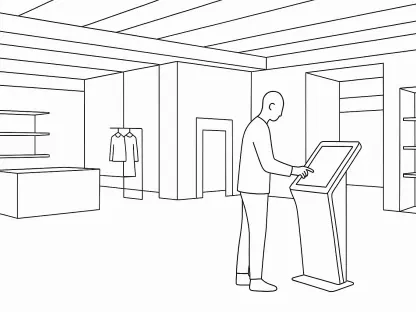
Technological influences further enhance this integration through interactive customization stations and digital connectivity. The Toronto studio utilizes high-definition screens and touchpoints that allow shoppers to engage with the brand’s history and future innovations without the pressure of a traditional salesperson. These digital tools are carefully woven into the physical design, ensuring that the technology complements rather than distracts from the tangible craftsmanship on display.
Market Projections for High-End Retail Destinations
Boutique-style automotive studios in urban centers are projected to grow significantly as more brands seek high-visibility flagship locations. Data-driven insights suggest that these high-traffic environments generate greater consumer curiosity and brand recall compared to suburban showrooms. The strategic placement within Holt Renfrew maximizes foot traffic from a pre-qualified audience, turning casual retail visits into potential long-term brand loyalties.
Performance indicators for the three-phase Evolution Strategy through 2027 suggest a robust trajectory for this collaborative model. By rotating the focus of the studio, the partners can maintain freshness and adapt to seasonal consumer trends. This dynamic approach ensures that the space remains a relevant destination for the duration of its residency, providing a blueprint for how automotive brands can maintain a presence in the fast-paced world of high-fashion retail.
Overcoming the Challenges of Non-Traditional Automotive Retail
Navigating the logistical complexities of showcasing high-performance vehicles within a department store requires a specialized architectural approach. Moving an AMG SL 63 4MATIC+ Roadster or an electric GLC into a second-floor retail space involves significant engineering coordination and safety planning. Despite these hurdles, the presence of these machines in a non-traditional setting successfully creates a sense of wonder and accessibility that a standard showroom cannot replicate.
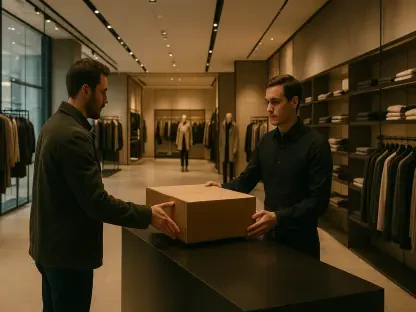
Furthermore, the partnership addresses the traditional friction of the car-buying process by creating a low-pressure environment. The design-led space encourages exploration and discovery, allowing guests to interact with the vehicles at their own pace. By balancing digital innovation with the “human touch” of bespoke craftsmanship, the studio creates a hybrid retail model that values the consumer’s time and aesthetic sensibilities. Seasonal refreshes and exclusive product drops further sustain interest, ensuring that the brand remains at the forefront of the consumer’s mind.
Navigating Standards and Compliance in Luxury Partnerships
Adhering to safety and environmental regulations is paramount for indoor vehicle displays, particularly when showcasing electric vehicles. The Toronto studio must comply with strict fire codes and building regulations to ensure that the presence of high-capacity batteries and mechanical components poses no risk to the department store’s infrastructure or patrons. This requires ongoing collaboration between the automotive engineering teams and the retail facility managers to maintain a safe yet visually stunning environment.
Beyond physical safety, maintaining brand integrity and aesthetic standards across two distinct corporate identities is a delicate task. Every element of the studio, from the lighting to the materials used in the furniture, must reflect the dual heritage of Mercedes-Benz and Holt Renfrew. Additionally, managing data privacy and security is crucial at the live customization stations. As customers share personal preferences and contact information, the brands must ensure that this data is handled with the highest level of confidentiality and in accordance with current privacy laws.
The Future of Luxury: Beyond the Conventional Showroom
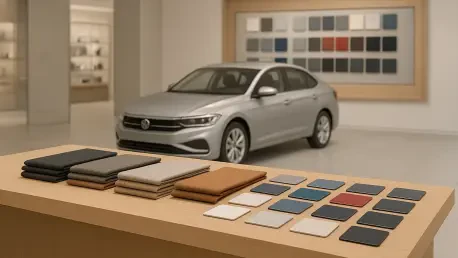
The MANUFAKTUR Atelier represents a significant step beyond the conventional showroom by setting new benchmarks for vehicle personalization. This space allows visitors to explore curated textiles, paint samples, and intricate design details that characterize the brand’s bespoke offerings. By providing a dedicated workshop for personalization, Mercedes-Benz empowers consumers to become co-creators of their vehicles, reinforcing the idea that luxury is defined by individuality.
As the global Mercedes-Benz Studios initiative expands across major international cities, the influence of temporary exclusive drops and co-branded merchandise will likely grow. These limited-edition releases create a sense of urgency and exclusivity that traditional retail models lack. Furthermore, the impact of sustainability and electrification continues to shape future retail design. The inclusion of electric models in the studio highlights the brand’s commitment to a sustainable future, aligning the luxury experience with the environmental consciousness of the modern consumer.
Synthesizing the New Era of Bespoke Brand Experiences
The partnership between Mercedes-Benz Canada and Holt Renfrew established a definitive blueprint for modern experiential marketing. It demonstrated that the fusion of high-performance engineering with high-fashion curation could successfully capture the attention of a discerning, urban audience. By prioritizing dynamic storytelling and immersive design, the stakeholders moved beyond the limitations of static retail, fostering a deeper emotional connection with the consumer base.
Future considerations for this model included the integration of more advanced augmented reality tools and the expansion of the exclusive drop strategy to include digital assets. The initiative proved that long-term viability in the luxury sector depended on the ability to evolve alongside the consumer’s changing lifestyle. Ultimately, the Toronto studio set a new standard for how heritage brands could navigate the complexities of the modern market while maintaining their core identities.