
The escalating cost of digital advertising has effectively dismantled the traditional model of growth, forcing brands to pivot from expensive customer acquisition toward a more sustainable and profitable strategy centered on long-term retention. Within the current digital landscape, the concept of a loyalty program has evolved from a secondary marketing tactic into the primary engine of commerce. It is no longer sufficient to merely reward a transaction; instead, modern platforms must cultivate a sense of belonging and mutual value between the consumer and the brand. This shift is driven by the realization that the modern buyer is increasingly fickle, with access to endless alternatives at their fingertips. Consequently, the role of loyalty platforms like Yotpo, LoyaltyLion, and Smile.io has become central to the technological stack of any serious enterprise, providing the necessary infrastructure to track, engage, and reward users across various touchpoints.
The scope of this industry has expanded to include not only traditional retail but also high-frequency sectors like grocery, hospitality, and even subscription-based software services. Technological influences, particularly the rise of headless commerce and integrated API structures, have allowed these platforms to become deeply embedded within the user journey. Regulations regarding data privacy have also played a significant role, as brands now look toward loyalty programs as a compliant way to gather first-party and zero-party data. By offering value in exchange for information, businesses can navigate a landscape where third-party cookies are obsolete. The current significance of this market lies in its ability to provide a predictable revenue stream in an otherwise volatile global economy, making loyalty platforms an essential asset for financial stability.
The Transformation of Customer Loyalty in the Modern Digital Economy
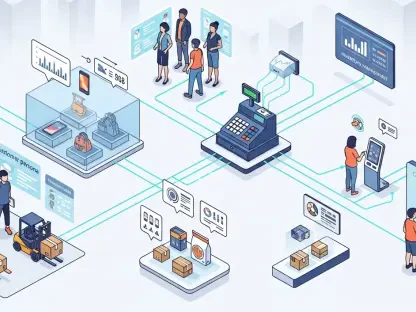
The digital economy has undergone a profound metamorphosis, moving away from the simplistic reward structures of the past decade. Previously, a loyalty program was often viewed as a digital punch card, providing a basic discount after a certain number of purchases. Today, the industry is characterized by an intricate web of emotional and functional engagement strategies. This transformation is fueled by the integration of sophisticated software that allows for real-time interaction and deep personalization. As consumers demand more transparency and better value, the platforms that succeed are those that offer a seamless experience across multiple channels, including mobile apps, web interfaces, and physical storefronts. This omnichannel approach ensures that the brand remains a constant presence in the life of the customer, regardless of where the interaction occurs.
Technological advancements have also ushered in a period of hyper-connectivity, where data flows freely between customer relationship management systems and loyalty engines. This connectivity enables brands to move beyond generic outreach and instead provide tailored experiences that resonate on an individual level. For instance, a customer who frequently purchases sustainable goods might be rewarded with early access to an eco-friendly product line. This level of relevance is what defines the current state of the industry. Furthermore, market players are increasingly focusing on the community aspect of loyalty, encouraging users to interact with one another and with the brand through social media and forums. This community-driven model not only strengthens the bond between the consumer and the brand but also creates a self-sustaining marketing loop that reduces the reliance on paid media.
Market Dynamics and the Economic Value of Retention
Emerging Trends in Reward Mechanics and Consumer Engagement
The mechanics of rewarding customers have moved far beyond the simple accrual of points toward a more diversified and experiential model. One of the primary trends currently affecting the industry is the rise of gamification, where elements of game design are used to make the shopping experience more engaging and fun. This includes features like progress bars, leaderboards, and mystery rewards that tap into the natural human desire for competition and achievement. By making the process of earning rewards feel like a game, brands can significantly increase the frequency of interaction and the overall time spent on their platforms. Moreover, there is a growing emphasis on non-monetary rewards, such as exclusive access to events, limited-edition merchandise, or the ability to donate points to a charitable cause. These rewards often hold more perceived value for the consumer than a simple percentage discount, as they offer a sense of status and purpose.
Another significant driver in the current market is the evolution of consumer behavior toward ethical and sustainable shopping. Modern buyers are more likely to stay loyal to a brand that aligns with their personal values, leading many loyalty platforms to integrate features that reward sustainable actions. This might include giving points for recycling old packaging, choosing carbon-neutral shipping options, or participating in social justice initiatives. These mechanics allow brands to build a deeper emotional connection with their audience, transforming the relationship from a purely transactional one into a partnership based on shared goals. In contrast to traditional models, these new engagement strategies are designed to foster long-term advocacy, where the customer becomes a vocal supporter of the brand within their own social circles.
Quantifying the Financial Impact and Growth Projections
The financial implications of a successful loyalty strategy are backed by rigorous data that underscores the massive return on investment. It is a well-established economic principle that acquiring a new customer is significantly more expensive than retaining an existing one, with some estimates putting the cost at five to seven times higher. However, the true value of retention is seen in the impact on the bottom line. Research consistently shows that a minor increase in customer retention, as small as five percent, can lead to a profit increase ranging from twenty-five percent to nearly one hundred percent. This is because loyal customers tend to spend more over their lifetime, are less price-sensitive, and require less marketing overhead to convert. The data suggests that the lifetime value of a loyal customer can be up to ten times the value of their initial purchase, making the long-term growth potential of these programs immense.
Looking forward, the market for loyalty platforms is projected to experience robust growth through the end of the decade. As more businesses realize the fragility of acquisition-led models, the demand for sophisticated retention tools will continue to climb. Performance indicators such as the redemption rate, the churn rate, and the net promoter score have become the standard metrics for measuring corporate health. Forward-looking forecasts indicate a significant shift in budget allocation, with a larger percentage of marketing spend being diverted toward loyalty and retention initiatives. This trend is expected to persist as the global economy faces ongoing challenges, forcing companies to focus on the stability of their existing customer base. The ability to predict future revenue through a loyal cohort of customers provides a level of financial security that is highly attractive to investors and stakeholders alike.
Navigating the Complexities of Platform Implementation
Implementing a comprehensive loyalty platform is a complex undertaking that presents several technological and organizational hurdles. One of the primary obstacles is the integration with legacy systems, which often lack the flexibility to communicate with modern, cloud-based loyalty software. This technical debt can create data silos, where information about customer behavior is fragmented across different departments, making it difficult to create a unified view of the user. To overcome this, many organizations are adopting middleware solutions or moving toward a microservices architecture that allows for better interoperability. However, the transition requires a significant investment in both time and technical expertise. Furthermore, ensuring a consistent user experience across different devices and platforms is a constant challenge that requires ongoing testing and optimization.
Beyond the technical aspects, market-driven challenges such as consumer fatigue and the overcrowding of loyalty programs must be addressed. With so many brands offering rewards, there is a risk that consumers will become overwhelmed and lose interest in participating. To combat this, businesses must ensure that their program is easy to understand and provides immediate, tangible value. Strategies to overcome this include simplifying the signup process and using clear, concise communication about the benefits of the program. Additionally, internal challenges such as staff training can hinder the success of an implementation, particularly in a physical retail setting. Employees must be well-versed in the mechanics of the loyalty program so they can effectively promote it to customers and troubleshoot any issues that arise at the point of sale. Without the support of the frontline staff, even the most sophisticated platform will struggle to gain traction.
The Regulatory Framework and Data Security Standards
The regulatory landscape governing the use of customer data has become increasingly stringent, with laws such as the General Data Protection Regulation and various state-level privacy acts setting high standards for compliance. Loyalty platforms, by their very nature, collect vast amounts of personal information, making them a primary focus for regulators. This necessitates a robust approach to data security, including advanced encryption, secure storage, and clear protocols for data access. Compliance is no longer just a legal requirement but a fundamental component of building and maintaining consumer trust. If a customer feels that their personal data is being handled carelessly, they will quickly abandon the loyalty program and potentially the brand itself. Consequently, industry practices have shifted toward greater transparency, with brands providing clear information about what data is being collected and how it is being used to enhance the customer experience.
Moreover, the shift toward a privacy-first world has changed the way loyalty platforms function. Instead of relying on intrusive tracking methods, brands are now incentivizing customers to voluntarily share their preferences and interests. This zero-party data is highly valuable because it comes directly from the source and is given with explicit consent. By incorporating data security as a core feature rather than an afterthought, loyalty platforms can help brands navigate the complex regulatory environment while also providing a better service to their users. Security standards like SOC 2 and ISO certifications have become standard benchmarks for platform providers, offering assurance to both the brand and the end user. As regulatory changes continue to evolve, the ability of a platform to adapt quickly to new standards will be a key differentiator in the market, ensuring that the brand remains compliant and the customer data remains protected.
The Future of Loyalty: AI Personalization and Hyper-Connectivity
The trajectory of the loyalty industry is undeniably headed toward a future dominated by artificial intelligence and predictive analytics. AI is already being used to analyze massive datasets to identify patterns in customer behavior, allowing brands to anticipate needs before the consumer even realizes them. For example, a loyalty engine might predict that a customer is about to churn and automatically send a personalized offer to entice them to stay. This proactive approach to retention is much more effective than reactive strategies used in the past. Furthermore, AI-driven personalization allows for the creation of unique reward journeys for every individual, ensuring that every interaction feels relevant and valuable. This level of hyper-personalization was previously impossible at scale, but it is now becoming a reality thanks to the increasing power of machine learning algorithms.
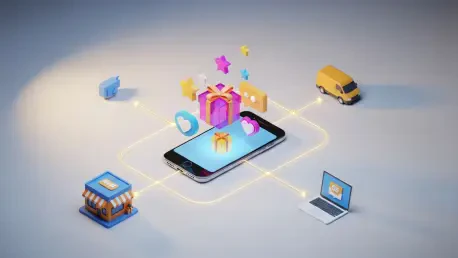
In addition to AI, the concept of hyper-connectivity will continue to reshape the industry through the integration of the Internet of Things and wearable technology. Imagine a scenario where a loyalty app on a smartwatch triggers a special offer the moment a customer walks into a physical store, or where a smart appliance automatically reorders supplies and credits the user with loyalty points. These innovations will further blur the lines between the digital and physical worlds, creating a seamless experience that is deeply integrated into the daily life of the consumer. Global economic conditions and the ongoing need for efficiency will likely accelerate the adoption of these technologies, as they provide a way to automate engagement and drive revenue with minimal human intervention. As the market continues to evolve, the brands that embrace these technological disruptors will be the ones that lead the next wave of innovation in customer retention.
Strategic Synthesis and Long-Term Investment Outlook
The analysis indicated that the transition from acquisition-centric models to retention-focused strategies proved to be the defining characteristic of successful commerce. It was observed that loyalty platforms functioned as the primary catalyst for this change, providing the necessary tools to transform transactional data into meaningful human connections. The investigation revealed that the economic value of a well-maintained customer base far outweighed the temporary gains seen from aggressive advertising. Businesses that prioritized the implementation of robust, data-driven loyalty engines found themselves in a much stronger position to weather market volatility. It was also noted that the integration of artificial intelligence and high-level security standards became the baseline requirement for any platform seeking to maintain a competitive edge. The findings pointed toward a future where loyalty is not just a department but a core philosophy that permeates every aspect of the organization.
The recommendations for the future involved a heavy focus on the continued development of personalized, value-driven experiences that respected consumer privacy. It was suggested that organizations should move beyond basic point systems and invest in emotional loyalty mechanics that built genuine brand advocacy. For investors, the loyalty platform sector presented a significant opportunity for growth, as the demand for these technologies remained on a steady upward trajectory. The long-term outlook remained positive, with the expectation that loyalty platforms would become even more integrated into the global commerce infrastructure. Ultimately, the successful brands of the future were those that understood that loyalty was a two-way street, requiring a consistent commitment to delivering value and maintaining trust. The path forward required a strategic synthesis of technology, psychology, and ethical data practices to ensure sustainable growth in an increasingly complex digital world.