
Zainab Hussain brings a wealth of experience to the table as an e-commerce strategist who has navigated the complex waters of customer engagement and operational efficiency across various high-growth markets. In the context of Mexico, where the financial landscape is marked by a deep divide between traditional banking and consumer behavior, her insights provide a roadmap for how businesses can bridge the gap through innovative fintech solutions. This conversation explores the transformative power of Buy Now, Pay Later (BNPL) services, focusing on how they act as a catalyst for financial inclusion and a strategic lever for retail growth. We delve into the shifting expectations of younger generations, the operational hurdles of credit management, and the measurable impact of flexible payment models on merchant performance.
Mexico has a unique financial landscape where a deep-seated culture of installment purchasing exists alongside a massive lack of formal credit access; how does this paradox shape the way consumers interact with the digital economy?
It is a fascinating and somewhat challenging environment because you have a population that fundamentally understands and values the ability to pay over time, yet 85% of Mexicans do not have access to a traditional credit card. When you look at the adult population as a whole, nearly 49% lack any form of formal credit service, which creates a massive bottleneck for digital growth. This exclusion forces nearly 80% of transactions to remain cash-based, which can feel incredibly limiting for a consumer base that is increasingly tech-savvy. For younger generations like Millennials and Gen Z, the frustration is even more palpable because they expect fast, digital-first solutions that mirror their lifestyle. Every day a retailer fails to offer a flexible alternative like BNPL, they aren’t just missing a sale; they are effectively turning away a demographic that represents the future of their business.
Many retailers have historically tried to bridge this credit gap by managing their own financing systems, but what are the hidden costs and risks associated with that DIY approach?
Taking on the role of both a merchant and a bank is an incredibly heavy lift that often reaches a breaking point as a business tries to scale. When retailers manage their own credit and collections, they are forced to deal with high operational complexity and the constant shadow of credit risk, which can drain resources away from their core retail activities. It is a costly endeavor that many find unsustainable, especially since the traditional credit model is reaching its structural limits in an underserved market. By shifting this burden to a specialized provider, merchants can completely eliminate their exposure to fraud and credit defaults. This allows the business to focus on product and customer experience while the fintech partner handles the messy reality of risk assessment and balance sheet efficiency.
Beyond just being a simple alternative to a credit card, how does a tool like Aplazo serve as a strategic engine for increasing revenue and customer loyalty?
The impact of integrating a flexible financing solution is often immediate and measurable across several key performance indicators. We see businesses reporting a 30% increase in conversion rates because they’ve finally removed the sticker shock that prevents many shoppers from completing a purchase. Even more impressive is the 60% jump in average ticket size; when customers aren’t forced to pay everything upfront, they feel a sense of financial freedom to choose better quality items or add more to their baskets. This creates a positive feedback loop of loyalty, resulting in a 66% annual repurchase rate that is much higher than standard industry averages. It’s about creating a seamless, frictionless journey where the customer feels empowered rather than restricted by their bank balance.
What are the most significant operational hurdles a business faces when trying to implement a BNPL model, and why is communication such a vital part of that process?
The technical side of integration is actually quite smooth through platforms like Shopify or VTEX, but the real challenge lies in what I call 360-degree communication. You can have the best financing tool in the world, but if the customer doesn’t see it until the very last second of checkout, you’ve lost the opportunity to influence their shopping behavior. Visibility must be consistent across every touchpoint, from the homepage of an e-commerce site to the signage in a physical store. We also have to ensure the user experience is incredibly fast; for instance, decision engines that provide approvals in under three minutes are crucial for maintaining high-intent momentum. With approval rates sitting between 80% and 90%, we can catch the vast majority of customers who might otherwise walk away due to a lack of immediate funds.
As the distinction between online and offline retail continues to blur in the Mexican market, how do you see the role of physical stores evolving in the broader fintech ecosystem?
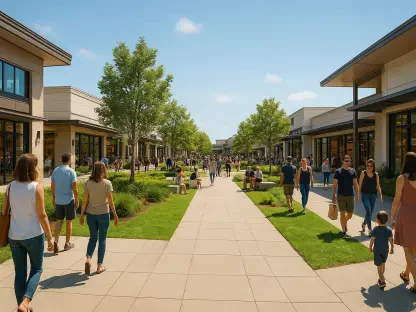
The reality in Mexico is that retail is still very much a physical experience, and the data reflects that, with 55% of transactions already occurring offline across more than 15,000 points of sale. The goal is to create a truly omnichannel strategy where the customer journey is supported regardless of where they choose to shop. We cannot control the physical location of the customer, but we can control the quality of the financial tools available to them when they get there. By bringing BNPL into the brick-and-mortar environment, we are accelerating sales while simultaneously removing the transaction risk for the business owner. It’s a powerful way to accompany the customer through their entire life journey, adapting to their needs whether they are browsing on a smartphone or standing at a physical checkout counter.
What is your forecast for the BNPL market in Mexico?
The trajectory for this sector is incredibly aggressive, with the market projected to skyrocket from US$3.9 billion in 2025 to a massive US$13.8 billion by 2031. This represents a compound annual growth rate of 22.2%, yet even with that expansion, we are currently only seeing a tiny fraction of what is possible. Currently, BNPL penetration in Mexican e-commerce is only at 3%, which is a drop in the bucket compared to the 10% or more we see in more mature markets like the United Kingdom or Australia. My forecast is that as digital literacy grows and more retailers adopt these tools to capture the underserved population, BNPL will transition from an “alternative” method to the standard way the majority of Mexicans access the goods they need. It will become the primary bridge for financial inclusion, finally allowing the millions of people who were previously excluded to participate fully in a modern, digital-first retail economy.